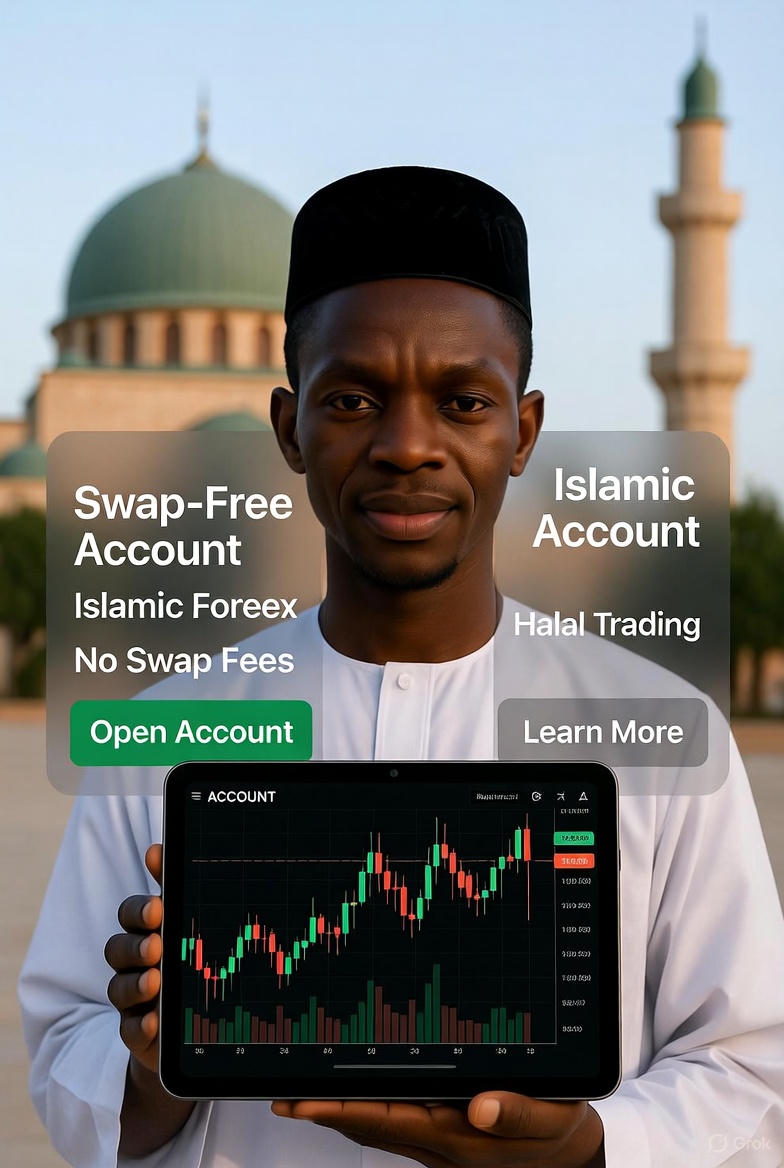
Many people wonder if participating in the currency market aligns with their faith. The question of whether forex trading is halal in Islam comes up often among Muslim traders. This guide explores the topic in depth, examining Islamic principles and their application to modern trading. We’ll discuss what makes it permissible or not, so you can make informed choices. Remember, always consult a qualified scholar for personal advice.
What Does Halal Mean in Islamic Finance?
In Islamic finance, halal refers to activities that comply with Sharia law, as outlined in the Quran and Sunnah. It means avoiding things like interest, excessive uncertainty, and gambling. When asking whether forex trading is halal in Islam, we check whether it meets these rules.
Forex involves buying and selling currencies. If done as spot trades with immediate exchange and no interest, many scholars say it’s okay. But if it includes overnight fees or high speculation, it might not be. Islamic accounts help by removing interest charges.
This setup allows Muslims to trade while staying true to their beliefs. For more on Islamic finance basics, see this resource from the U.S. Treasury financial literacy page. Understanding halal principles helps build a strong foundation for any financial decision.
The History of Forex in Islamic Finance
Currency exchange has roots in ancient times, even during the era of the Prophet Muhammad, when fair trade was encouraged. Modern forex trading started in the 1970s after fixed exchange rates ended, but Islamic views adapted slowly.
In the 1990s, as global markets grew, Muslim scholars began debating whether forex fits Sharia. By the 2000s, brokers created swap-free accounts to avoid interest charges, making trading more accessible for Muslims.
This evolution shows how Islamic finance innovates to meet modern needs while keeping core values. Today, bodies such as the Accounting and Auditing Organisation for Islamic Financial Institutions set standards. The history highlights a shift from traditional barter to digital trades, always prioritising ethics.
For historical insights, check the International Islamic Fiqh Academy IIFA site. Knowing this background answers the question of whether forex trading is halal in Islam by showing that compliant paths exist.
Early Currency Exchanges in Islam
Trades happened hand-to-hand without delay.
Modern Adaptations for Muslims
Swap-free options emerged in the late 20th century.
Key Islamic Principles for Trading
Sharia outlines rules like no riba (interest), no gharar (uncertainty), and no maysir (gambling). When considering whether forex trading is halal in Islam, these are central.
Spot trading, where exchanges occur immediately, avoids delays that could lead to interest. Transparency ensures no hidden risks. Profit should come from fair effort, not chance.
Many scholars approve if trades are for real needs, like business, not just speculation. Islamic accounts enforce these by waiving swaps. This keeps trading ethically.
Fintechzoomiom discusses how tech supports these principles in finance. Always aim for balance and justice in deals.
Avoiding Riba
No interest in any form.
Is Forex Trading Halal in Islam? Scholarly Views
The debate on whether forex trading is halal in Islam varies among scholars. Mufti Ismail Menk says it’s permissible if swap-free and spot-based, avoiding interest and gambling.
Others, like those from the Fiqh Academy, allow it with immediate exchanges but warn against leverage that adds uncertainty. Some view all speculation as haram, equating it to chance games.
The consensus leans toward halal under strict conditions: no riba, clear terms, and a real economic purpose. Consult local scholars for rulings.
This diversity demonstrates Islam’s flexibility while upholding moral values. For balanced views, explore Harvard’s Islamic Legal Studies program page. Understanding opinions helps make wise decisions.
Benefits of Halal Forex Trading
Engaging in halal forex offers peace of mind, knowing it aligns with faith. When questioning whether forex trading is halal in Islam, compliant methods provide ethical gains.
It supports the global economy by aiding trade liquidity. Muslims can diversify portfolios without compromising values. Swap-free accounts make entry easy.
Learning markets builds skills functional in business. Community grows around Sharia-compliant platforms, sharing knowledge.
Benefits include financial growth through informed choices, not luck. It promotes discipline and research. Overall, it fosters responsible participation in world finance.
Ethical Advantages
Aligns with personal beliefs.
Economic Contributions
Helps international commerce.
Risks Involved in Forex Trading Under Islam
Even if halal, forex carries risks, such as market swings, that can lead to losses. When asking if forex trading is halal in Islam, consider if speculation edges into gambling.
High leverage amplifies dangers, potentially violating gharar rules. Emotional decisions might ignore Sharia.
Currency values can change quickly due to news, risking sudden drops. Without proper knowledge, it’s easy to err.
Mitigate by using small positions and education. Risks remind us to trade cautiously, preserving capital and faith.
Technology in Islamic Forex Trading
Modern platforms offer tools for halal trading, such as apps that show real-time rates without swaps. When exploring whether forex trading is halal in Islam, tech ensures compliance.
Algorithms help analyse trends ethically. Mobile access allows monitoring anywhere.
Brokers use software to flag non-halal features. This tech bridges tradition and innovation.
The key is choosing regulated platforms. Technology makes trading accessible while upholding standards.
Key Features of Islamic Forex Accounts
These accounts remove interest, using fixed fees instead. The core question, whether forex trading is halal in Islam, is yes with these.
Features: spot only, transparent spreads, no overnight charges. Regulated for fairness.
They support multiple currencies, aiding global users. Education tools teach Sharia rules.
Such accounts ensure ethical trades.
Swap-Free Mechanics
Eliminates riba elements.
How to Start Halal Forex Trading
Begin by selecting a Sharia-compliant broker—research whether forex trading is halal in Islam and whether it fits your style.
Open a swap-free account, deposit funds. Learn basics through demos.
Set limits to manage risks. Consult scholars. Practice builds confidence ethically.
Comparing Halal and Conventional Forex
| Aspect | Halal Forex | Conventional Forex |
|---|---|---|
| Interest | None (swap-free) | Includes swaps |
| Trading Type | Spot only | Includes futures |
| Risk Management | Ethical limits | High leverage |
| Scholarly Approval | Conditional yes | Often no |
| Fees | Fixed service | Interest-based |
| Purpose | Economic need | Speculative |
This shows Halal’s focus on ethics.
Key Takeaways on Forex and Islam
- Follow Sharia: No riba, gharar, maysir.
- Use Islamic accounts for compliance.
- Educate yourself on markets.
- Consult experts.
- Trade responsibly.
These points clarify whether forex trading is halal in Islam.
Conclusion
In the end, whether forex trading is halal in Islam depends on following strict rules. With proper accounts and a mindset, it can be a valid option. Stay informed and ethical.
Frequently Asked Questions
What makes forex halal?
Spot trades without interest.
Are there risks?
Yes, volatility and potential non-compliance.
How to choose a broker?
Look for Sharia certification.
Can beginners try it?
Yes, with education.