Introduction
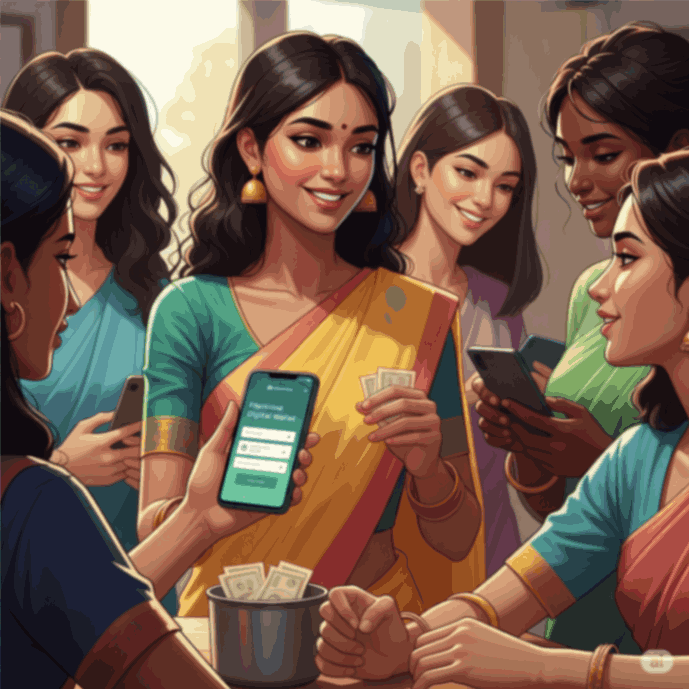
In the digital age, financial inclusion is no longer a luxury, it’s a necessity. One of the most transformative tools enabling this shift is the digital wallet. In South Asia, where cultural and economic barriers often hinder women from participating in the financial system, digital wallets are breaking down these walls and empowering women entrepreneurs like never before.
This article delves into the significant role digital wallets play in uplifting women entrepreneurs across India, Pakistan, Bangladesh, Nepal, and Sri Lanka, supporting financial independence, growth, and inclusion.
What Are Digital Wallets?
A digital wallet is an electronic payment system that allows individuals to store funds, make transactions, and monitor finances using their smartphone or computer. Popular digital wallets in South Asia include:
- Easypaisa (Pakistan)
- bKash (Bangladesh)
- Paytm and PhonePe (India)
- eSewa (Nepal)
- FriMi (Sri Lanka)
These platforms enable users to send/receive money, pay utility bills, purchase goods and services, and even access micro-loans.
Why Focus on Women Entrepreneurs in South Asia?
South Asia is home to over 1.9 billion people, and women represent a massive untapped economic potential. According to the World Bank, fewer than 20% of businesses in the region are owned or led by women.
Challenges faced by women include:
- Limited access to formal banking systems
- Lack of collateral for credit
- Cultural restrictions on mobility
- Lack of financial literacy
Digital wallets offer a scalable solution to many of these problems.
How Digital Wallets Are Transforming Women’s Lives
1. Financial Independence
Women using digital wallets can control their income, save money securely, and track expenses, enabling them to make independent financial decisions.
2. Increased Access to Markets
With digital wallets, women can:
- Accept payments online from customers
- Sell products through e-commerce platforms
- Avoid the need for a physical storefront
This is especially valuable for home-based entrepreneurs and artisans.
3. Access to Microloans and Credit
Many digital wallets partner with fintech lenders to offer microloans with minimal documentation. These loans can help women:
- Expand inventory
- Invest in tools or equipment
- Meet working capital needs
| Platform | Country | Microloan Support | Women-Focused Programs |
|---|---|---|---|
| Easypaisa | Pakistan | Yes | Yes |
| bKash | Bangladesh | Yes | Yes |
| Paytm | India | Yes | Yes |
| eSewa | Nepal | Limited | No |
| FriMi | Sri Lanka | Yes | Yes |
4. Safety and Privacy
Carrying cash poses risks, especially for women. Digital wallets reduce these risks and offer more privacy, particularly in regions where women’s spending is scrutinized.
5. Financial Literacy and Training
Several platforms offer built-in educational tools to improve user literacy. NGOs and governments often run programs to train women in mobile banking and wallet use.
Case Studies: Women Empowerment Through Digital Wallets
Case Study 1: Ayesha in Pakistan
Ayesha, a home-based tailor in Karachi, began accepting digital payments through Easypaisa. She soon opened an online shop and now earns double her previous income. With access to microloans, she bought a second sewing machine and hired help.
Case Study 2: Rani in India
Rani, a street vendor in Delhi, uses Paytm to receive payments. During the COVID-19 pandemic, digital payments kept her business afloat, allowing her to continue supporting her family when cash was scarce.
Government and NGO Support
Several initiatives are supporting women’s access to digital financial tools:
- Digital Pakistan initiative promotes financial inclusion for women.
- India’s Jan Dhan Yojana has opened millions of bank accounts for women.
- UNCDF and UN Women fund projects in Bangladesh and Nepal for digital literacy.
For more examples, check out UN Women’s initiatives.
Challenges That Remain
Despite progress, hurdles remain:
- Digital literacy gaps in rural areas
- Limited smartphone access for women
- Cultural resistance from families or communities
- Inconsistent internet access
To sustain momentum, collaboration among governments, fintech companies, NGOs, and local communities is essential.
The Road Ahead
Here’s what’s needed to accelerate women’s digital financial inclusion:
- Tailored fintech products for women
- Subsidized smartphones and internet access
- Broader awareness campaigns
- Integration with e-commerce platforms
- Policy support and inclusive regulation
Frequently Asked Questions (FAQ)
Q1: Are digital wallets safe for rural women to use?
Yes. Most digital wallets use two-factor authentication and PIN-based access. Some also offer biometric login. However, awareness training is essential to avoid fraud.
Q2: Do digital wallets require a bank account?
Not always. Some services like Easypaisa and bKash allow users to operate with just a mobile number, enabling access without traditional banking.
Q3: Can women entrepreneurs apply for loans through digital wallets?
Yes. Many wallets offer microloans in partnership with fintech lenders, often requiring minimal documentation.
Q4: Are there training programs to help women understand how to use digital wallets?
Yes. NGOs, government agencies, and digital wallet companies frequently run literacy and training programs, particularly in rural communities.
Q5: How do digital wallets support women-led businesses?
Digital wallets enable easier payment collection, cash flow management, and market expansion through online sales and digital services.
Conclusion
Digital wallets are more than just a fintech tool—they’re a lifeline for women entrepreneurs in South Asia. By offering accessible, secure, and scalable financial services, they are reshaping gender dynamics, fostering economic independence, and enabling women to become powerful agents of change in their communities.
As the ecosystem evolves, continued investment in education, infrastructure, and policy reform will be key to unlocking the full potential of women-led innovation in the region.