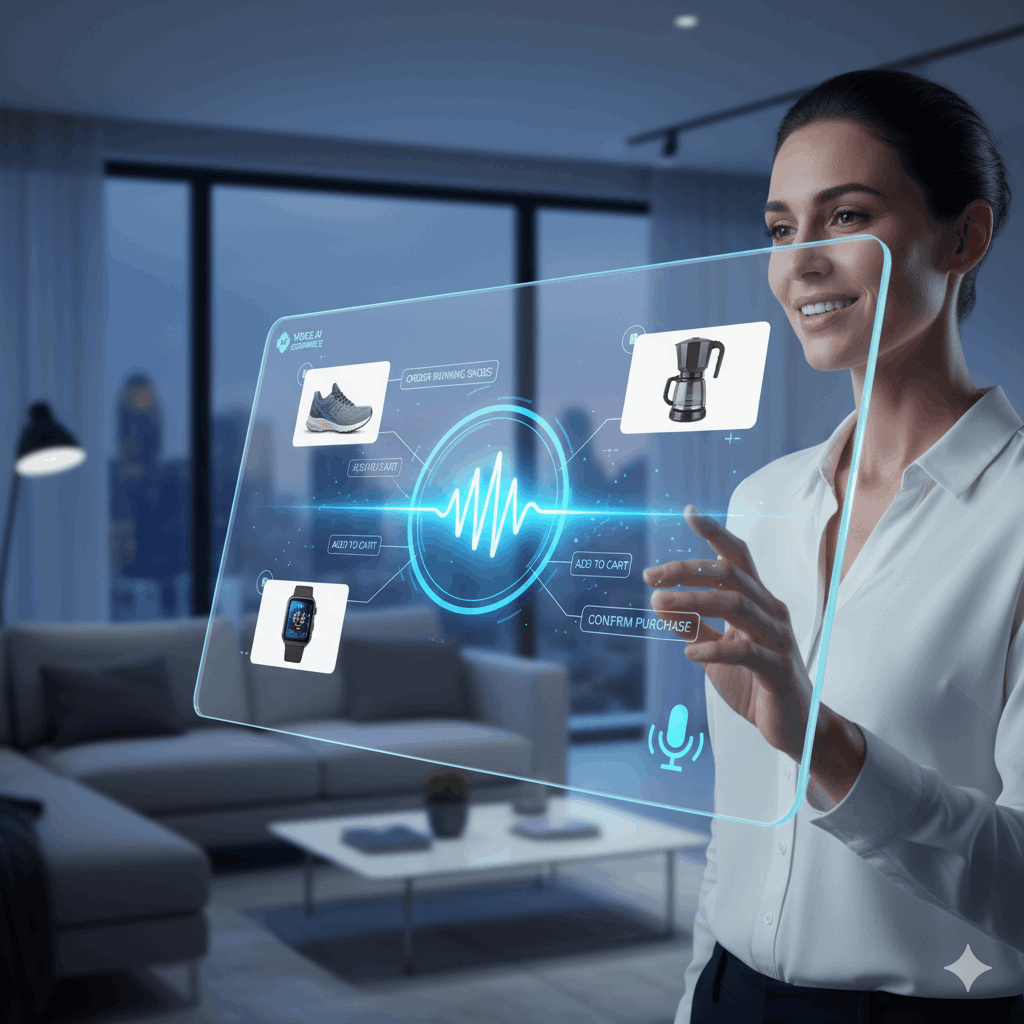
Introduction: The Rise of Voice-Activated Payments
E-commerce has evolved far beyond just clicks and taps. Today, voice-activated payments are becoming a major frontier in digital transactions, offering consumers a hands-free, secure, and frictionless way to shop. With the rapid adoption of smart speakers like Amazon Echo, Google Nest, and Apple HomePod, consumers are increasingly using voice assistants such as Alexa, Google Assistant, and Siri to not only browse but also complete purchases.
According to a report by Juniper Research, the value of voice-based payments is expected to surpass $19 billion globally by 2025. This shift represents more than just a convenience it’s reshaping the fundamentals of trust, security, and user experience in e-commerce.
What Are Voice-Activated Payments?
Voice-activated payments refer to the process of making financial transactions through voice commands. Using artificial intelligence (AI) and natural language processing (NLP), voice assistants can understand user intent and authenticate payments securely through biometric verification such as voice recognition or multi-factor authentication.
Key Components of Voice Payments
| Component | Description |
|---|---|
| Voice Assistant | AI-powered systems (e.g., Alexa, Siri, Google Assistant) that process commands. |
| Payment Gateway | Enables secure transaction processing. |
| Authentication Layer | Ensures security via biometrics, PINs, or two-factor authentication. |
| Device Integration | Works on smartphones, smart speakers, and even car infotainment systems. |
How Voice Payments Work in E-Commerce
Voice-activated payments follow a streamlined process designed for convenience and safety:
-
User Command: The shopper gives a voice command such as “Alexa, buy Nike running shoes.”
-
Authentication: The system verifies identity using voice biometrics or linked device credentials.
-
Order Confirmation: The assistant confirms the product, price, and payment method.
-
Transaction Processing: The payment is processed through an integrated payment gateway.
-
Receipt & Confirmation: A confirmation message or email is sent to the user.
This hands-free transaction model enhances speed, accessibility, and personalization, especially for users on the go or those with physical limitations.
The Technological Foundation Behind Voice Payments
Voice-activated payments combine several emerging technologies to ensure accuracy, trust, and data security.
1. Artificial Intelligence and NLP
AI and NLP help systems understand contextual language and intent. For example, “Order my usual Starbucks drink” triggers personalized ordering via machine learning algorithms.
2. Voice Biometrics
Each human voice carries a unique biometric signature. Voice recognition software uses frequency, tone, and rhythm to verify identity, adding an extra layer of security.
3. Cloud Computing
Cloud platforms enable real-time transaction processing, ensuring scalability for millions of users.
4. Blockchain Integration
Some fintech companies are experimenting with blockchain-based voice payments to improve transparency and traceability. Blockchain ensures immutable transaction records, fostering greater consumer trust.
For deeper insight into blockchain’s role in payment systems, read our article:
👉 Cognitive Trust and Blockchain: How Transparency Changes Investor Psychology
Benefits of Voice-Activated Payments for E-Commerce
1. Frictionless Checkout
Customers can skip manual steps like entering credit card details or passwords. This reduces cart abandonment rates and improves conversion.
2. Improved Accessibility
Voice payments enhance accessibility for visually impaired or elderly users who prefer speaking over typing.
3. Faster Transactions
A purchase that once took 2-3 minutes can now be completed in under 30 seconds.
4. Enhanced Customer Engagement
Brands can use voice commerce to deliver personalized shopping experiences, such as recommending products based on purchase history.
5. Strengthened Security
With voice biometrics and encrypted gateways, users gain multi-layered protection against fraud.
Challenges Facing Voice-Activated Payments
Despite the innovation, several challenges must be addressed before widespread adoption:
| Challenge | Description |
|---|---|
| Privacy Concerns | Users worry about voice data storage and potential misuse. |
| Security Risks | Voice spoofing and unauthorized access can pose threats. |
| Limited Language Support | Most systems currently support major global languages only. |
| User Trust | Consumers need assurance that their data and funds are secure. |
Solution Path:
To overcome these, fintech companies must adopt end-to-end encryption, invest in multi-layer authentication, and educate users on safe voice payment practices.
Real-World Examples of Voice Payments in Action
-
Amazon Pay with Alexa Users can order and pay for items directly through Alexa-enabled devices.
-
Google Pay Voice Commands Google Assistant allows users to send money or pay bills using just their voice.
-
Apple Siri and Apple Pay Users can ask Siri to send payments to contacts or complete online purchases securely.
-
PayPal Voice Integration PayPal’s partnership with Google Assistant allows seamless voice-based fund transfers.
These examples demonstrate how global tech companies are leading the way in making voice commerce mainstream.
The Future of Voice Payments in E-Commerce
The next phase of voice payment evolution will likely include:
-
Multi-Modal Authentication: Combining voice with facial recognition or fingerprint scanning.
-
Context-Aware AI: Understanding tone, mood, and context for personalized shopping suggestions.
-
Integration with IoT Devices: Voice payments through cars, TVs, and wearables.
-
Voice-Enabled Crypto Transactions: Allowing users to manage and transfer cryptocurrencies via voice.
As AI algorithms mature, we can expect an era where voice becomes the dominant interface for digital commerce.
Security and Regulatory Landscape
Voice-activated payments are subject to data protection laws like GDPR (Europe) and CCPA (California). Payment providers must comply with PCI-DSS standards to ensure cardholder data safety.
Key security measures include:
-
End-to-End Encryption
-
Tokenization of Payment Data
-
Two-Factor Authentication (2FA)
-
Secure Voice Storage Policies
Industry collaboration with regulators will be essential to ensure user confidence and legal compliance.
Impact on Retailers and Consumers
For Retailers:
-
Reduced cart abandonment
-
Enhanced customer loyalty
-
Opportunity to create branded voice experiences
For Consumers:
-
Simplified checkout process
-
Faster, personalized experiences
-
Safer authentication through biometrics
Retailers embracing voice commerce early will gain a competitive edge in the fast-evolving e-commerce ecosystem.
(FAQ)
1. Are voice-activated payments secure?
Yes, they use biometric authentication, encryption, and tokenization to protect sensitive data, making them as secure as mobile or online payments.
2. What devices support voice payments?
Voice payments can be made via smartphones, smart speakers, wearables, and car infotainment systems integrated with payment gateways.
3. How do retailers benefit from voice payments?
Retailers benefit through reduced friction, higher sales conversions, and enhanced customer engagement with voice-enabled experiences.
4. Can voice payments be used internationally?
Yes, but availability depends on regional regulations, supported languages, and financial institution partnerships.
5. What’s the future of voice-activated payments?
Future developments include AI-driven personalization, multi-modal security, and integration with digital currencies and IoT ecosystems.
Conclusion
Voice-activated payments represent a revolution in digital commerce one that prioritizes speed, accessibility, and personalization. As AI and voice technologies evolve, businesses that adopt these systems early will position themselves as leaders in the era of conversational commerce.
Voice payments aren’t just a technological upgrade they’re a strategic shift toward creating human-centered, intuitive payment experiences that align with the demands of modern consumers.