Introduction
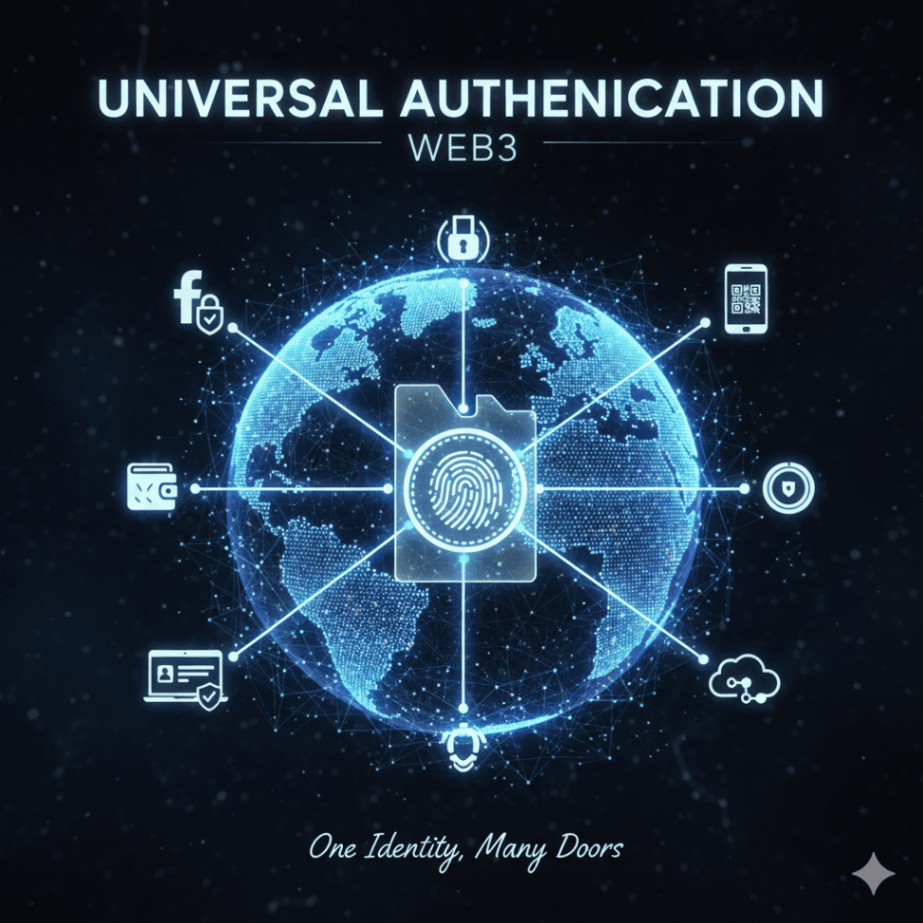
As the digital world transitions into Web3, identity management is evolving from centralized databases to decentralized identity ecosystems. In this landscape, Cross-Chain Identity Tokens (CCITs) are emerging as a groundbreaking innovation. These tokens enable universal authentication across multiple blockchain networks, ensuring users retain control over their identity while interacting seamlessly with decentralized apps (dApps), exchanges, and platforms.
In this article, we’ll explore the core concepts, benefits, and applications of Cross-Chain Identity Tokens and how they can redefine online security and interoperability in Web3.
What Are Cross-Chain Identity Tokens?
Cross-Chain Identity Tokens (CCITs) are cryptographic assets designed to represent a user’s verified digital identity across multiple blockchain ecosystems.
Instead of maintaining separate identities on Ethereum, Solana, or Polkadot, a CCIT allows one unified identity to function across all networks.
Key Features
| Feature | Description |
|---|---|
| Interoperability | Works across multiple blockchains using bridges or interoperability protocols. |
| User Sovereignty | Users own and control their identity data without relying on centralized authorities. |
| Verifiable Credentials | Integrates with Decentralized Identifiers (DIDs) and Verifiable Credentials (VCs). |
| Secure Authentication | Enables cryptographic proof of identity without revealing sensitive data. |
Why Identity Is a Challenge in Web3
While Web3 promises decentralization, identity verification remains fragmented. Each blockchain maintains its own user data, creating isolation and redundancy.
Common Problems:
-
Multiple wallet logins across platforms
-
Lack of trust between blockchains
-
Duplicate KYC processes on exchanges
-
Privacy concerns with centralized ID verification
These issues not only limit user experience but also undermine interoperability — one of the core principles of Web3.
How Cross-Chain Identity Tokens Solve These Problems
Cross-Chain Identity Tokens use interoperability protocols such as Cosmos IBC, Polkadot parachains, or LayerZero bridges to link user credentials across different chains.
Step-by-Step Mechanism
-
User Verification:
A user verifies their identity using a trusted verifier or decentralized identity provider (like Civic or BrightID). -
Token Minting:
A CCIT is generated as an NFT or SBT (Soulbound Token) that cryptographically represents verified credentials. -
Cross-Chain Bridge:
The token can be validated across different blockchains using cross-chain bridges or interoperability protocols. -
Universal Login:
Users can access dApps, DeFi protocols, and Web3 services using a single identity token instead of multiple wallet authentications.
Benefits of Cross-Chain Identity Tokens
| Benefit | Description |
|---|---|
| Universal Access | Use one identity across Ethereum, Binance Smart Chain, Solana, and beyond. |
| Enhanced Privacy | Data sharing is cryptographically controlled by the user. |
| Reduced Friction | Simplifies onboarding for new users entering the Web3 space. |
| Regulatory Compliance | Supports verifiable KYC/AML compliance through decentralized identifiers. |
| Trustless Authentication | Eliminates reliance on centralized identity servers. |
Example:
Imagine signing in to Uniswap, Aave, and Polygon-based dApps with the same verified identity token — without re-verifying your identity or creating new wallets. That’s the potential of CCITs.
Technical Foundations of Cross-Chain Identity Tokens
1. Decentralized Identifiers (DIDs)
DIDs are unique digital identifiers that are verifiable without a centralized registry. They form the backbone of CCITs, ensuring that identity data remains decentralized.
2. Verifiable Credentials (VCs)
VCs allow identity attributes (like name, nationality, or reputation) to be cryptographically signed and verified without exposing private details.
3. Cross-Chain Bridges
These bridges allow communication between blockchains, enabling an identity token to be recognized on multiple networks.
4. Smart Contracts
Smart contracts manage identity logic, ensuring that tokens are non-transferable and tamper-proof when used as authentication credentials.
Use Cases of Cross-Chain Identity Tokens
1. Decentralized Finance (DeFi)
-
Prevents Sybil attacks by ensuring unique, verified users.
-
Enables KYC-compliant participation in regulated DeFi platforms.
2. Decentralized Autonomous Organizations (DAOs)
-
Prevents duplicate voting or fraudulent participation.
-
Builds reputation systems tied to verified identity tokens.
3. Metaverse Platforms
-
Allows a persistent digital identity across multiple metaverse worlds.
-
Enables cross-platform avatars and verified asset ownership.
4. NFT Marketplaces
-
Enables artist verification and anti-fraud mechanisms for buyers and sellers.
5. Web3 Gaming
-
Supports portable gaming identities, achievements, and reputations.
Trusted Projects Working on Cross-Chain Identity
| Project | Focus Area | Key Innovation |
|---|---|---|
| Civic | Decentralized identity | KYC and identity verification via blockchain |
| BrightID | Social identity | Web of trust-based verification |
| Ontology (ONT ID) | Multi-chain identity | Integrates DIDs across different blockchains |
| SpruceID | Credential management | Open-source Web3 identity toolkit |
| Polygon ID | zk-Proof identity | Privacy-preserving authentication on Polygon |
For further insights, visit Ethereum Foundation’s research on DIDs.
Cross-Chain Identity vs Traditional Digital Identity
| Feature | Traditional Identity | Cross-Chain Identity Tokens |
|---|---|---|
| Control | Managed by centralized authorities | Fully owned by the user |
| Interoperability | Limited to one platform or region | Works across blockchains globally |
| Privacy | Often compromised or sold | Cryptographically protected |
| Transparency | Low visibility | Verifiable and auditable |
| Scalability | Bureaucratic and slow | Instant verification across networks |
Security and Privacy Considerations
While CCITs enhance interoperability, they also introduce new challenges:
Potential Risks:
-
Bridge vulnerabilities may expose identity data.
-
Metadata leaks during cross-chain operations.
-
Regulatory ambiguities in global jurisdictions.
Mitigation Strategies:
-
Use zero-knowledge proofs (ZKPs) for private verification.
-
Implement non-transferable identity tokens (SBTs).
-
Adopt open standards like W3C’s DID framework.
The Future of Cross-Chain Identity Tokens
The future of digital identity in Web3 lies in decentralized, interoperable, and privacy-preserving solutions. With the rise of ZK-rollups, multi-chain ecosystems, and AI-based verification, CCITs could become the default authentication layer for the decentralized web.
In the coming years:
-
Governments may issue national DIDs compatible with Web3 systems.
-
DeFi and DAO platforms will adopt cross-chain KYC modules.
-
Metaverse platforms could integrate identity tokens for avatars and assets.
As the ecosystem matures, Cross-Chain Identity Tokens may become as essential as digital wallets today.
FAQs About Cross-Chain Identity Tokens
Q1: Are Cross-Chain Identity Tokens the same as Soulbound Tokens (SBTs)?
A: Not exactly. While many CCITs are implemented as SBTs, CCITs are specifically designed for cross-chain interoperability and authentication, while SBTs can serve other purposes.
Q2: How do Cross-Chain Identity Tokens protect user privacy?
A: They use zero-knowledge proofs and verifiable credentials to verify identity without revealing private data.
Q3: Can these tokens replace government-issued IDs?
A: Eventually, yes but this depends on regulatory acceptance and technical maturity.
Q4: Are Cross-Chain Identity Tokens transferable?
A: No. They are typically non-transferable to maintain authenticity and prevent identity misuse.
Q5: Which blockchains support CCIT integration today?
A: Ethereum, Polygon, Polkadot, and Cosmos are among the early adopters experimenting with cross-chain identity frameworks.
Conclusion
Cross-Chain Identity Tokens are a key step toward a borderless, secure, and user-controlled Web3. By merging interoperability with privacy and trust, they empower users to move freely across blockchain ecosystems with a single, verified identity.
As these tokens evolve, they’ll become a cornerstone of the next-generation decentralized internet, redefining how humans and machines prove trust in the digital world.