Introduction
The rise of the gig economy has created millions of delivery jobs worldwide, driven by platforms like Uber Eats, Foodpanda, Glovo, and DoorDash. These riders play an essential role in urban economies but often face financial insecurity due to lack of insurance coverage. From accidents to medical expenses, delivery riders encounter high risks while earning modest incomes.
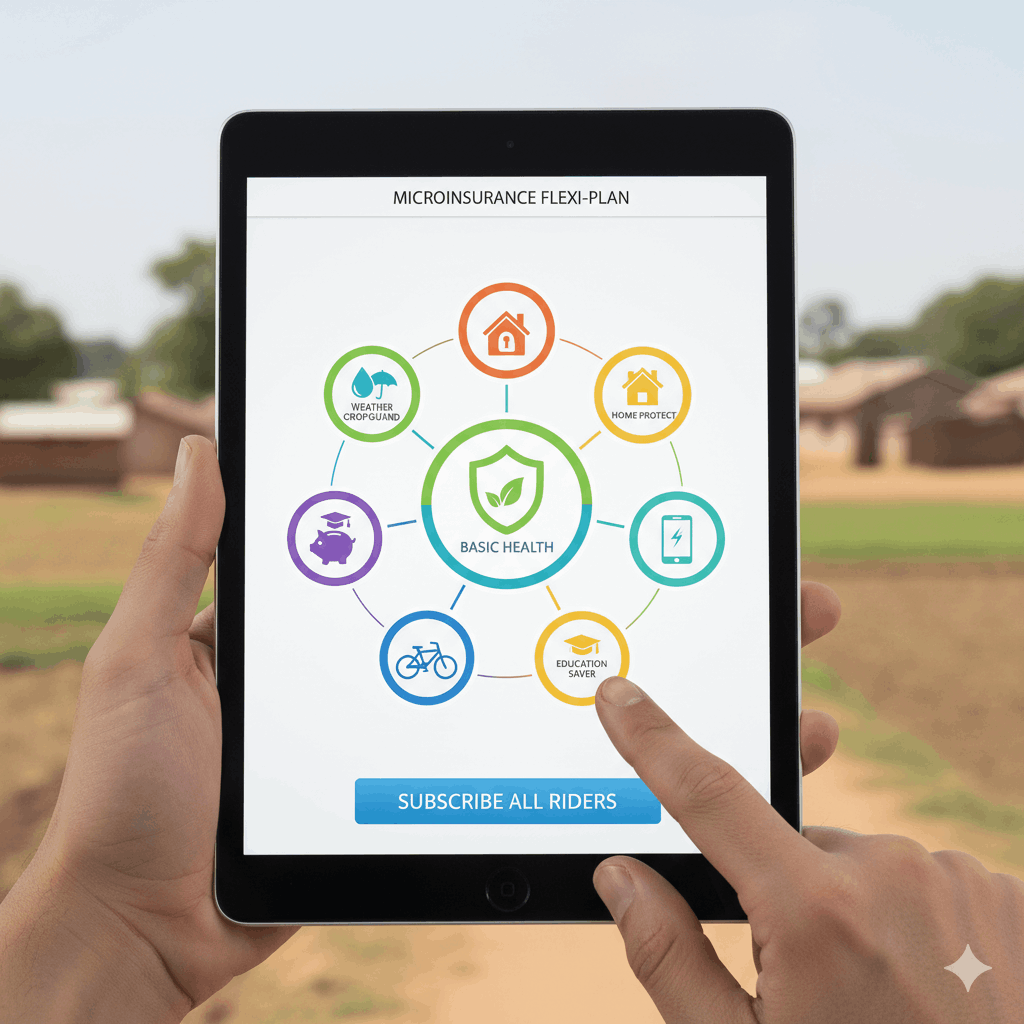
This is where subscription-based micro-insurance bundles come in. By offering affordable, flexible, and on-demand insurance products, fintech innovators are reshaping access to protection for riders.
In this article, we will explore:
-
Why delivery riders need subscription micro-insurance
-
Key benefits of bundled insurance plans
-
Successful models and real-world use cases
-
Challenges and opportunities in adoption
-
FAQs to clarify common concerns
Why Delivery Riders Need Subscription Micro-Insurance
Delivery riders often work as independent contractors, meaning they are not entitled to the traditional employee benefits like health insurance, paid leave, or pension plans. This creates significant vulnerability in their financial lives.
Common Risks Riders Face
-
Road Accidents: High exposure to traffic accidents and injuries.
-
Theft and Robbery: Increased risk when carrying cash or high-value items.
-
Health Emergencies: Long working hours and stress-related health issues.
-
Income Disruption: Sudden inability to work leads to zero earnings.
According to the International Labour Organization (ILO), over 60% of gig workers worldwide lack any form of insurance. This exposes delivery riders to financial shocks that can push them into debt.
What is Subscription Micro-Insurance?
Micro-insurance is designed to provide coverage for low-income individuals at affordable rates. With the subscription model, riders can pay small, regular fees (weekly or monthly) instead of large, upfront costs.
Key Features of Subscription Micro-Insurance
-
Low Premiums: Affordable rates suited to gig workers’ income.
-
Flexible Plans: Cancel or renew anytime, with no long-term lock-ins.
-
Digital Enrollment: Access via mobile apps or SMS.
-
Instant Claims: Quick claim processing using digital channels.
For riders, this means on-demand protection without the burden of expensive traditional insurance.
Bundled Insurance Models for Delivery Riders
Instead of offering one policy at a time, fintechs and insurers are experimenting with bundled packages that combine different protections into a single subscription.
| Bundle Type | Coverage Offered | Ideal For |
|---|---|---|
| Health + Accident | Emergency hospitalization + personal accident cover | Riders in high-traffic areas |
| Income Protection + Accident | Pays daily allowance if unable to work | Full-time riders |
| Life + Health | Family support + hospital bills | Married riders |
| Device + Accident | Covers phone damage + medical expenses | Tech-reliant riders |
This bundle approach makes insurance more valuable and convenient, reducing the hassle of multiple policies.
Benefits of Subscription Micro-Insurance Bundles
1. Affordability
Small, recurring payments align with riders’ daily or weekly income cycles.
2. Flexibility
Riders can pause, upgrade, or downgrade plans anytime.
3. Digital Access
Insurance is integrated into gig platforms or fintech apps, ensuring frictionless sign-ups.
4. Trust & Transparency
Transparent pricing and quick claim settlements improve financial inclusion.
5. Platform Benefits
For delivery companies, offering insurance improves rider retention and loyalty, lowering recruitment costs.
Real-World Examples
-
BIMA (Global): Offers micro-insurance bundles via mobile carriers in Africa and Asia.
-
Zego (UK): Provides flexible insurance for gig economy drivers and riders.
-
Coverfox (India): Partners with gig platforms to provide on-demand insurance.
-
Bolt (Europe & Africa): Includes accident coverage in rider benefits.
These cases demonstrate that subscription-based insurance is scalable and practical in diverse markets.
Challenges in Adoption
Despite clear benefits, several hurdles limit adoption:
-
Awareness Gap: Many riders are unfamiliar with insurance.
-
Trust Issues: Past frauds make gig workers skeptical.
-
Low Margins: Premiums are small, making profitability difficult for insurers.
-
Regulatory Barriers: In some regions, insurance licensing and compliance are complex.
Addressing these challenges requires collaboration between fintech startups, insurers, and regulators.
Opportunities for FinTech Platforms
For fintech innovators, subscription micro-insurance presents opportunities to:
-
Integrate Insurance into Gig Apps: Riders can subscribe while managing deliveries.
-
Leverage Mobile Wallets: Seamless premium deductions via digital wallets or mobile money.
-
AI-Powered Risk Scoring: Personalize premiums based on rider data (distance traveled, working hours).
-
Community Insurance Pools: Group-based insurance where riders collectively share risk.
For more on fintech innovations, explore our article on Agentless Cash-In Models.
Table: Comparing Subscription Micro-Insurance vs. Traditional Insurance
| Feature | Subscription Micro-Insurance | Traditional Insurance |
|---|---|---|
| Premium | Low, recurring payments | High annual/lump sum |
| Flexibility | Cancel/upgrade anytime | Long-term contracts |
| Accessibility | Mobile-first, digital onboarding | Paperwork-heavy |
| Target Users | Low-income gig workers | Middle/high-income groups |
| Claim Process | Fast, app-based | Lengthy, offline |
This comparison highlights why subscription models are better suited to the gig economy workforce.
FAQs on Subscription Micro-Insurance Bundles
Q1. How much does subscription micro-insurance cost for riders?
Costs vary, but typically range between $1–$5 per week, depending on coverage type.
Q2. Do gig platforms pay for these bundles?
Some platforms subsidize premiums as part of rider benefits, while others make it optional.
Q3. Can riders use these insurance plans outside work hours?
Yes. Most plans provide 24/7 coverage, not just during deliveries.
Q4. What happens if a rider stops working?
Since it’s subscription-based, they can pause or cancel anytime with no penalties.
Q5. Are micro-insurance claims reliable?
Modern digital insurers use instant verification and mobile payouts, making claims faster than traditional insurers.
Conclusion
The gig economy thrives on flexibility, but delivery riders remain vulnerable without proper safety nets. Subscription micro-insurance bundles provide a scalable, affordable, and inclusive solution to protect riders against accidents, health risks, and income disruptions.
For fintech startups, insurers, and delivery platforms, this model is more than just a financial product—it’s a step toward sustainable gig economy welfare.
To dive deeper into fintech-driven financial inclusion, read our guide on Community-Based KYC Models.