Introduction
In today’s fast-paced world, when you eat can be just as important as what you eat. Recent research into circadian rhythms the body’s internal 24-hour clock reveals that meal timing plays a crucial role in metabolism, digestion, and even chronic disease prevention. This approach, known as circadian eating, aligns your food intake with your natural biological cycles, promoting better energy, weight balance, and overall health.
In this article, we’ll explore the science behind circadian eating, its benefits, and how you can apply it in your daily life for optimal wellness.
What Is Circadian Eating?
Circadian eating, also known as chrono-nutrition, is the practice of eating according to your body’s circadian rhythm the natural cycle that governs sleep, hormones, digestion, and metabolism over a 24-hour period.
Your body’s internal clock is controlled by the suprachiasmatic nucleus (SCN) in the brain, which responds to light and regulates biological functions. Eating in sync with these rhythms helps the body perform digestive and metabolic tasks more efficiently.
Key Principles of Circadian Eating
-
Eat during daylight hours: The body digests and metabolizes food best when the sun is up.
-
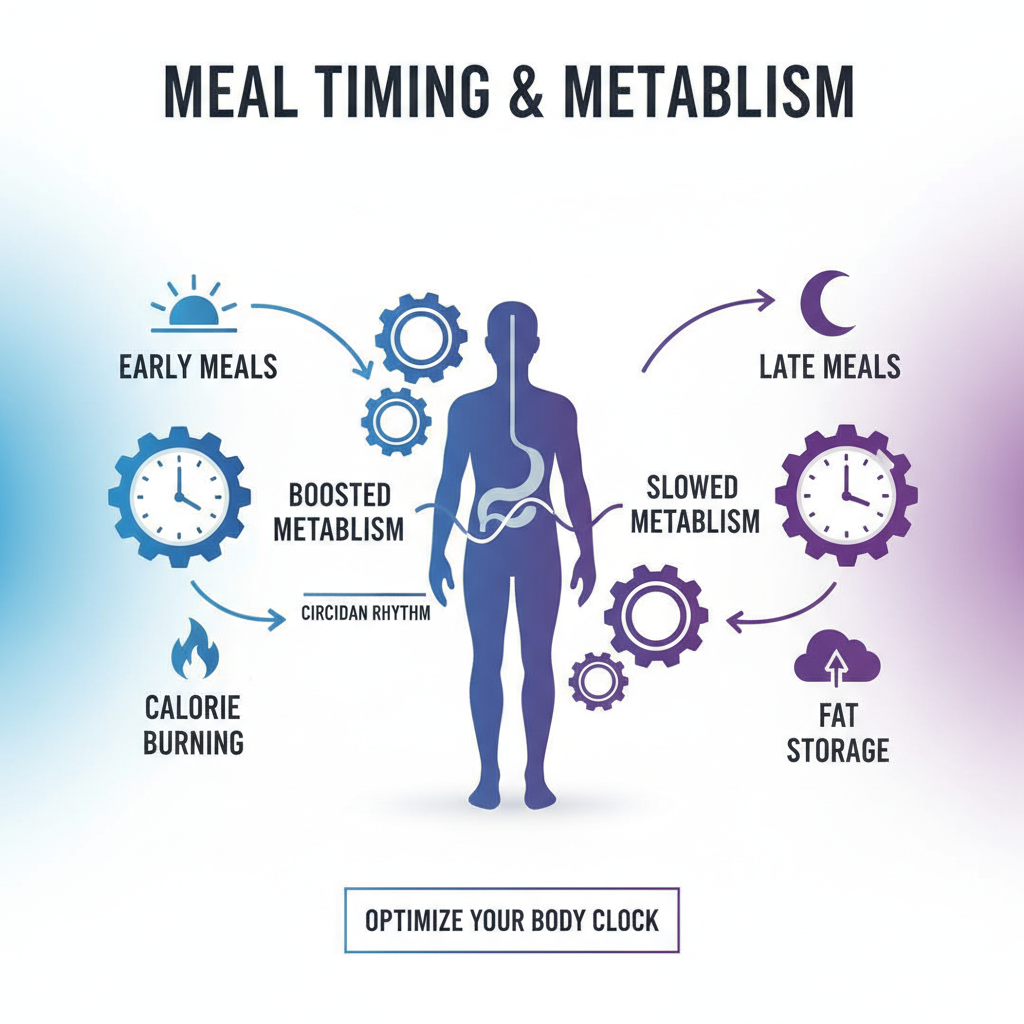
Avoid late-night meals: Late eating disrupts hormonal balance and can increase fat storage.
-
Front-load calories: Eating more in the morning and less at night supports energy balance and glucose regulation.
-
Maintain consistency: Regular meal timing strengthens your body’s internal clock.
The Science Behind Circadian Rhythms and Metabolism
How the Body Clock Influences Metabolism
Every cell in the body has its own clock, which affects how it uses energy. For instance:
-
Insulin sensitivity is higher in the morning, allowing better glucose control.
-
Digestive enzymes peak during daytime, improving nutrient absorption.
-
Melatonin production increases at night, signaling rest and reducing digestive activity.
Eating at irregular times, especially late at night, disrupts these processes and can lead to:
-
Weight gain
-
Insulin resistance
-
Poor sleep
-
Fatigue and hormonal imbalance
Supporting Studies
A 2017 study in Cell Metabolism found that people who restricted eating to an 8–10-hour daytime window improved glucose regulation, blood pressure, and weight.
Another study published in The Journal of Clinical Endocrinology & Metabolism showed that eating late in the day led to higher blood sugar levels and reduced fat oxidation compared to early eating patterns.
Benefits of Circadian Eating
Circadian eating offers multiple scientifically backed health benefits.
| Benefit | Description |
|---|---|
| Improved Metabolism | Synchronizes food intake with optimal metabolic times. |
| Better Weight Management | Reduces late-night snacking and supports fat burning. |
| Enhanced Sleep Quality | Aligns meal timing with melatonin and cortisol rhythms. |
| Lower Disease Risk | May decrease the risk of diabetes, obesity, and cardiovascular disease. |
| Increased Energy Levels | Stabilizes blood sugar throughout the day. |
Morning vs. Evening Eating: Why Timing Matters
Morning Eating Advantages
Eating a substantial breakfast jumpstarts your metabolism and aligns with your body’s active phase. Studies show that those who eat more in the morning tend to:
-
Burn more calories throughout the day
-
Experience fewer cravings
-
Maintain stable blood sugar
Evening Eating Drawbacks
Eating heavy dinners or late-night snacks interferes with sleep and digestion. Late eating is linked to:
-
Increased fat storage
-
Elevated blood sugar
-
Hormonal disruptions (especially insulin and melatonin)
Tip: Aim to finish dinner at least 3 hours before bedtime.
How to Implement Circadian Eating
1. Follow a Consistent Schedule
Try to eat meals around the same time every day. Irregular eating patterns confuse your internal clock.
2. Prioritize a Nutrient-Rich Breakfast
Start your day with protein, fiber, and complex carbs to sustain energy.
Example Morning Meal Plan:
| Time | Meal | Example |
|---|---|---|
| 7:30 AM | Breakfast | Oatmeal with chia seeds and berries |
| 10:30 AM | Snack | Greek yogurt with almonds |
| 1:00 PM | Lunch | Grilled chicken with quinoa and vegetables |
| 6:00 PM | Dinner | Salmon with steamed broccoli |
3. Limit Late-Night Eating
Avoid eating after 8:00 PM, as your metabolism slows down and insulin sensitivity decreases.
4. Align with Daylight
Try to eat your largest meals when the sun is up your body naturally expects food during this time.
5. Hydrate Smartly
Drink water throughout the day, but reduce fluid intake close to bedtime to support restful sleep.
Circadian Eating vs. Intermittent Fasting
Many confuse circadian eating with intermittent fasting (IF), but they’re not identical.
| Aspect | Circadian Eating | Intermittent Fasting |
|---|---|---|
| Focus | Meal timing aligned with circadian rhythm | Restricting eating to a specific time window |
| Primary Goal | Metabolic alignment | Caloric restriction or fasting benefits |
| Typical Window | Daytime (e.g., 8 AM–6 PM) | 8–10 hours, can vary day or night |
| Flexibility | Focus on daylight consistency | Flexible, often less aligned with body clock |
The best results often come from combining both, such as fasting overnight and eating within a 10-hour daytime window.
Potential Challenges and How to Overcome Them
Challenge 1: Irregular Work Hours
Solution: Align eating with your waking hours and maintain consistency. If you work night shifts, plan “daytime” meals according to your personal schedule.
Challenge 2: Social or Family Meals
Solution: Prioritize balance. If occasional late dinners happen, keep them light and nutrient-dense.
Challenge 3: Adjusting to New Habits
Solution: Transition gradually by moving meal times earlier each week.
(FAQ)
1. Is circadian eating suitable for everyone?
Yes, most people can benefit from aligning meals with daylight. However, those with medical conditions like diabetes should consult a nutritionist before making significant changes.
2. Can I still enjoy a late-night snack occasionally?
Occasional late-night snacks are fine, but make them light like fruit or yogurt and avoid sugar-heavy or fried foods.
3. Does meal timing affect weight loss even if calories are the same?
Yes. Studies show that eating earlier supports better metabolism and fat utilization compared to late eating, even with identical calorie intake.
4. How long does it take to see results?
Most people notice improved energy, digestion, and sleep within 2 3 weeks of consistent circadian eating.
5. Can circadian eating help with jet lag or sleep issues?
Absolutely. Aligning meals with local daylight hours can help reset your internal clock faster after travel or disrupted sleep.
Conclusion
Circadian eating is more than a diet trend it’s a science-backed strategy to align your eating habits with your body’s natural rhythms. By simply adjusting when you eat, you can boost your metabolism, improve sleep, and support long-term health.
It’s not just what you eat that matters when you eat makes all the difference.