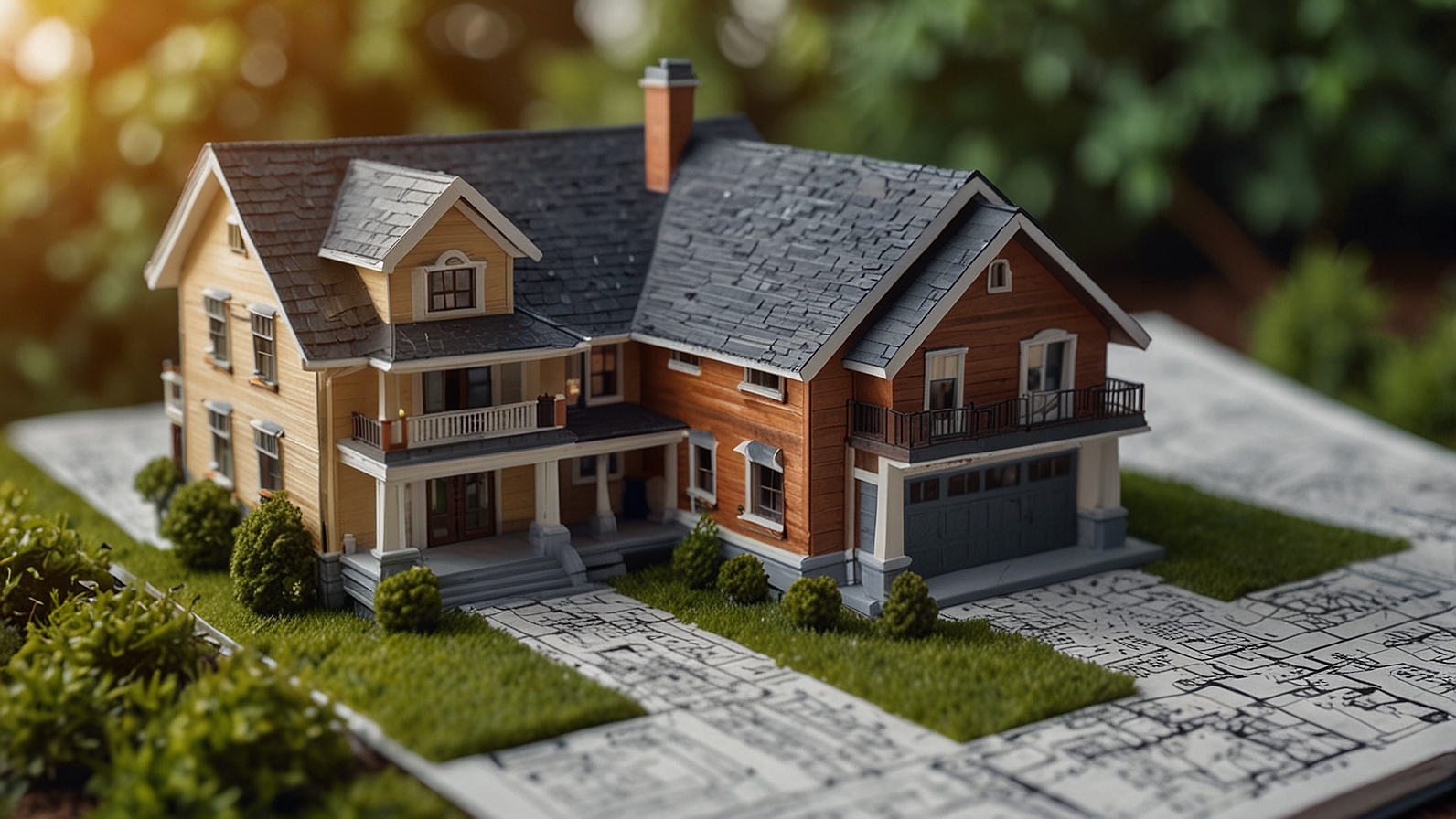
A home value estimate is a calculated approximation of a property’s current market worth based on factors like location, recent sales, property size, and condition. It provides homeowners and buyers with a realistic idea of what a home might sell for in the present market.
Accurate home value estimates can be obtained instantly through online tools that analyze real-time data and market trends, helping users make informed decisions about buying, selling, or renovating. These tools often combine algorithms with local sales history to deliver reliable valuations without requiring an appointment or professional appraisal upfront.
Understanding a home’s estimated value is essential for financial planning, negotiating offers, and evaluating potential investments. Reliable estimates help clarify where a property stands in the market, offering a practical starting point for anyone involved in real estate transactions.
Understanding Home Value Estimate
A home value estimate provides an approximation of a property’s worth based on data and market trends. It helps homeowners and buyers make informed decisions by reflecting current market conditions, recent sales, and property characteristics.
How Home Value Is Determined
Home value estimates generally rely on various data sources, including recent sales of comparable properties, current listings, and market trends. Algorithms analyze this information alongside property details such as size, location, and condition.
Estimators use adjustments to account for differences in features like renovations or lot size. The result is an approximation rather than an official appraisal, useful for understanding a property’s market position.
Real estate professionals may also provide comparative market analyses (CMAs) to supplement automated estimates, offering insight based on firsthand knowledge of the local market.
Key Factors Influencing Home Valuation
Several factors directly affect a home’s estimated value:
- Location: Proximity to amenities, schools, and neighborhood quality impact prices.
- Size and Layout: Square footage and the number of bedrooms and bathrooms matter.
- Condition: Well-maintained or recently updated homes typically have higher values.
- Market Trends: Supply, demand, interest rates, and economic conditions shape market values.
- Comparable Sales: Prices of similar homes sold recently in the area provide benchmarks.
These elements are combined to produce a realistic estimate that reflects current market dynamics.
Different Methods for Estimating Home Value
There are several approaches to home valuation:
- Automated Valuation Models (AVMs): AI-driven tools use algorithms to quickly generate estimates based on available data.
- Comparative Market Analysis (CMA): Real estate agents compare similar properties to assess value manually.
- Professional Appraisal: A licensed appraiser conducts an in-depth inspection and analysis, providing an official valuation—important for mortgage or legal purposes.
- Municipal Assessments: Local governments assign property values for tax calculations, but these may differ from market values.
Each method serves different needs, with AVMs offering speed and appraisals providing precision.
Improving and Using Your Home Value Estimate
Knowing your home’s estimated value helps guide decisions about upgrades and sales strategies. Improving this value requires targeted actions, while choosing the right estimating tool ensures accuracy. Applying the estimate effectively supports better real estate moves, such as pricing and negotiations.
Tips to Increase Your Home’s Value
Simple and strategic improvements often yield the best returns. Key upgrades include enhancing curb appeal with fresh landscaping and exterior paint. Kitchen and bathroom remodels add substantial value but should be balanced against cost.
Energy efficiency improvements like adding solar panels or upgrading windows are increasingly important. These can reduce expenses and attract eco-conscious buyers.
Routine maintenance also matters. Fixing leaks, updating fixtures, and keeping everything in good repair prevents value loss. Small cosmetic updates, such as new flooring or modern lighting, improve appeal without high costs.
Choosing the Best Home Value Estimator
Selecting a reliable home value estimator depends on data accuracy and update frequency. Tools that use real-time market data and local sales comparables provide better estimates.
AI-enhanced estimators analyze various factors, including neighborhood trends and property specifics, increasing precision. However, estimates should be considered starting points, and professional appraisals remain important in critical decisions.
It is advisable to compare multiple estimators for a balanced view. Websites offering free, instant estimates help in tracking value fluctuations over time.
How to Apply Your Estimate in Real Estate Decisions
A home value estimate guides pricing for sales or refinancing. Setting an asking price slightly above the estimate can allow room for negotiation.
For buyers, understanding value estimates aids in assessing a fair offer. Sellers can prioritize renovations on features that maximize return based on estimate insights.
Additionally, a home value estimate affects mortgage decisions, such as equity borrowing limits. Using accurate estimates supports informed financial and timing choices in real estate transactions.