Introduction
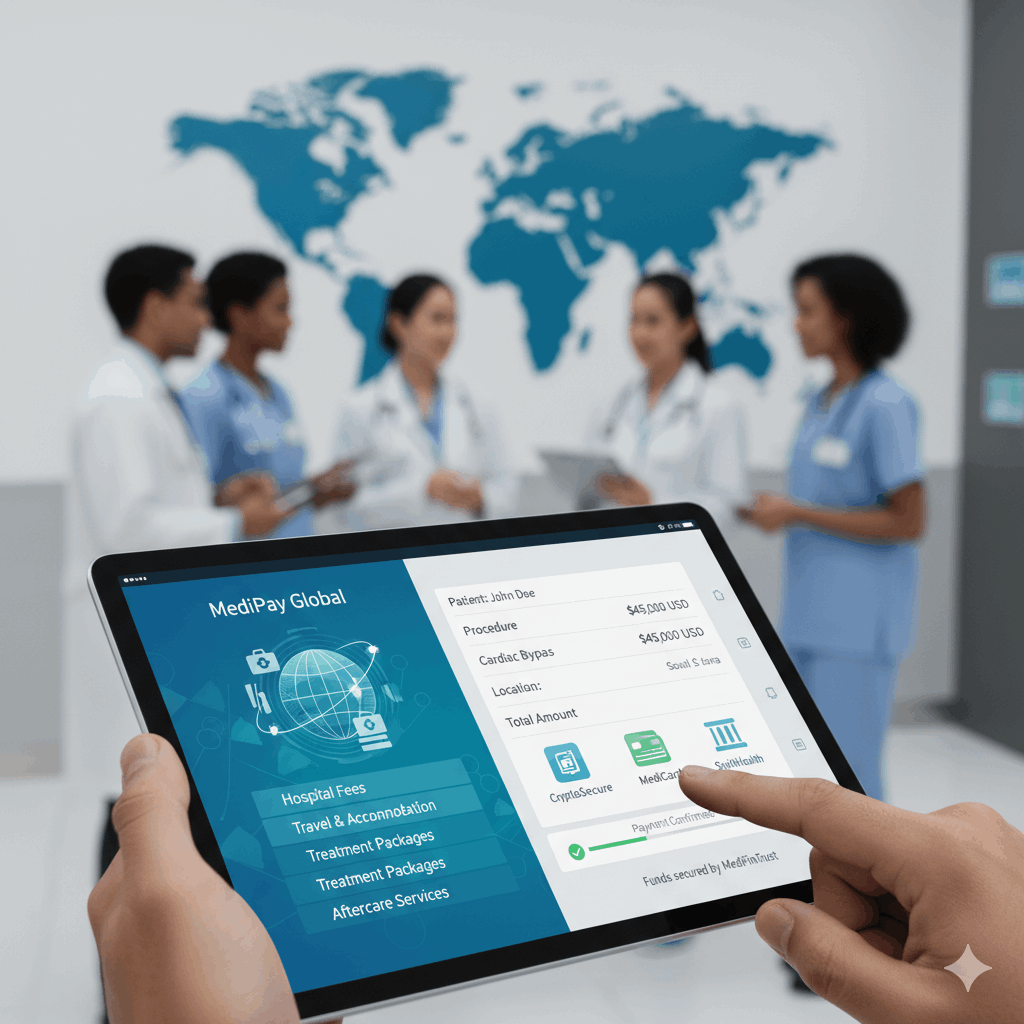
Medical tourism has become a multi-billion-dollar global industry, with millions of patients traveling abroad each year to seek affordable, high-quality healthcare services. From advanced surgeries in India and Thailand to cosmetic procedures in Turkey or dental treatments in Mexico, medical tourism is reshaping how patients view healthcare.
However, one critical barrier remains cross-border payments. Traditional payment methods often involve:
-
High transaction fees
-
Currency conversion issues
-
Delays in settlement
-
Fraud and security concerns
This is where FinTech solutions, particularly digital wallets, come into play. By enabling seamless, secure, and cost-effective payments, digital wallets are revolutionizing healthcare financing for global patients.
The Role of FinTech in Healthcare Payments
FinTech bridges the gap between healthcare providers and international patients by offering:
-
Faster transaction processing compared to traditional banking.
-
Lower cross-border fees via blockchain or peer-to-peer payment systems.
-
Enhanced security through biometric authentication and encryption.
-
Transparency in billing, ensuring patients know the exact cost upfront.
According to a World Bank report, cross-border remittances average fees of 6 7%, while FinTech-based solutions can reduce costs to below 3%. This difference makes medical treatments abroad more affordable for patients.
Why Digital Wallets Are Game-Changers in Medical Tourism
Digital wallets such as PayPal, Alipay, Apple Pay, and Google Wallet, alongside healthcare-specific wallets, are increasingly becoming the preferred payment method. Their benefits include:
1. Seamless Cross-Border Transactions
Patients can make instant payments for consultations, treatments, and after-care without worrying about currency barriers.
2. Reduced Payment Costs
Digital wallets often bypass traditional bank fees and foreign exchange charges.
3. Greater Security & Fraud Prevention
Features like two-factor authentication, tokenization, and blockchain integration reduce fraud risks.
4. Integration with Insurance Providers
Some wallets now link directly with international insurance companies, simplifying claim settlements.
5. Accessibility for Unbanked Patients
In developing regions, wallets allow patients without international bank accounts to access global healthcare.
Table: Traditional Payment vs. Digital Wallets in Medical Tourism
| Feature | Traditional Bank Transfer | Digital Wallets (FinTech) |
|---|---|---|
| Transaction Speed | 2–5 business days | Instant / Within minutes |
| Transaction Fees | 5–10% | 1–3% |
| Currency Conversion | Expensive, opaque rates | Competitive FX rates |
| Security Measures | Basic encryption | Biometric + Tokenization |
| Insurance Integration | Limited | Growing adoption |
| Patient Accessibility | Requires bank account | Wallet-based, mobile-first |
Global Hotspots for Medical Tourism Using Digital Wallets
-
India & Thailand: Known for affordable surgeries; wallets help streamline payments.
-
Turkey: Cosmetic and dental treatments; digital wallets simplify payments for European patients.
-
Mexico & Costa Rica: Attract U.S. patients seeking lower-cost dental and surgical care.
-
UAE & Singapore: Premium healthcare hubs where wallets improve high-value international transactions.
Case Study: Blockchain-Powered Wallets in Healthcare
Some FinTech startups are integrating blockchain wallets for healthcare payments. These solutions provide:
-
Transparent billing: Every transaction is recorded and verifiable.
-
Smart contracts: Automating insurance claim payouts.
-
Reduced fraud risk: Immutable ledger ensures accountability.
For example, companies like Healthereum and Solve.Care are exploring decentralized health payment models, creating trust between providers and patients worldwide.
Challenges in Adopting Digital Wallets in Medical Tourism
Despite the advantages, there are hurdles:
-
Regulatory Barriers: Different countries have varying laws on cross-border payments.
-
Cybersecurity Threats: Healthcare data is sensitive; wallet providers must ensure compliance with HIPAA and GDPR.
-
Limited Provider Adoption: Not all hospitals and clinics accept digital wallets.
-
Exchange Rate Volatility: Crypto-based wallets may face currency fluctuations.
Future of Digital Wallets in Medical Tourism
The future looks promising, as several trends are shaping the sector:
-
AI-Powered Wallets for fraud detection and patient finance management.
-
Integration with Telemedicine for cross-border virtual consultations.
-
Crypto Payments gaining traction as patients seek faster, cheaper options.
-
Global Standards for healthcare payment compliance being developed.
FAQ Section
1. What is medical tourism?
Medical tourism refers to traveling abroad to receive medical care, often for cost savings, specialized treatment, or shorter waiting times.
2. How do digital wallets help medical tourists?
Digital wallets enable secure, instant, and cost-effective cross-border payments, reducing fees and ensuring transparency.
3. Are digital wallets safe for healthcare payments?
Yes. Most wallets use biometric authentication, tokenization, and encryption, making them safer than traditional bank transfers.
4. Can digital wallets integrate with insurance companies?
Yes. Many wallets are partnering with insurers to streamline claim settlements for cross-border healthcare.
5. What are the risks of using digital wallets in medical tourism?
Risks include cybersecurity threats, regulatory issues, and provider non-acceptance, though these are gradually being addressed.
Conclusion
The rise of FinTech in healthcare payments is revolutionizing the medical tourism industry. Digital wallets not only reduce the cost and complexity of cross-border healthcare payments but also enhance security, accessibility, and patient experience.
As regulations align and technology advances, digital wallets will become the backbone of medical tourism financing, making healthcare more globally accessible than ever.