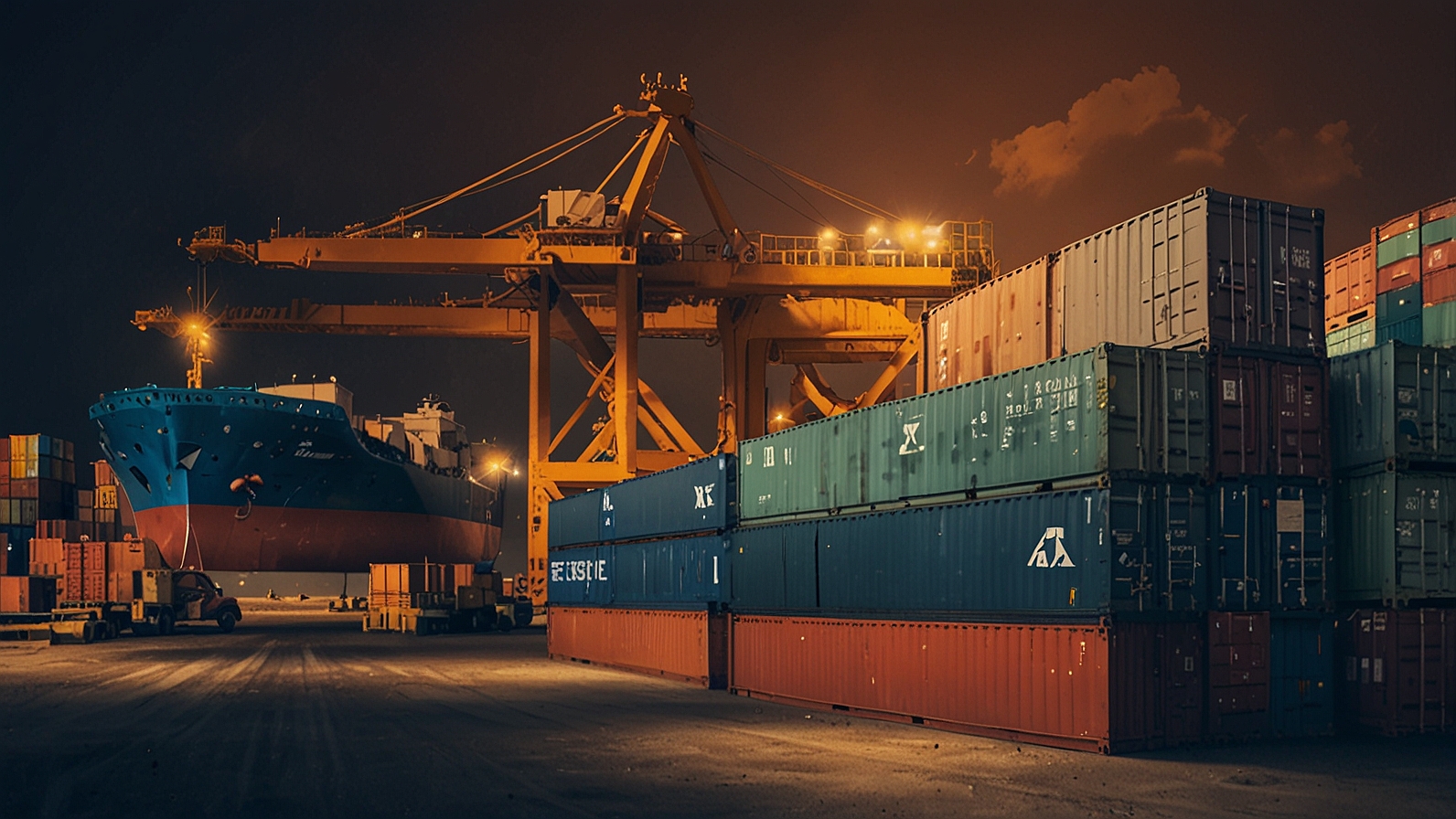
Customs clearance solutions simplify the process of moving goods across international borders by managing regulatory requirements, documentation, and compliance. They help reduce delays, avoid costly penalties, and ensure shipments pass through customs smoothly. These solutions provide a centralized approach to streamline communication and handle everything from paperwork to digital billing.
Organizations offering customs clearance services often assign a dedicated team or single point of contact to manage each shipment efficiently. Their expertise in local and global customs regulations, including tariff updates and special commodity handling, ensures that freight clears customs with minimal disruption.
With increasing trade complexities and stringent regulations, reliable customs clearance services are essential for businesses engaged in cross-border shipping. This helps maintain supply chain efficiency and meet delivery deadlines without unnecessary complications.
Key Elements of Customs Clearance Solutions
Effective customs clearance requires managing multiple interconnected tasks. These include organizing documents accurately, ensuring compliance with regulations, calculating applicable duties and taxes, and utilizing brokerage services to streamline the entire process.
Documentation Management
Accurate and complete documentation is fundamental. Key documents often include the commercial invoice, bill of lading, packing list, and certificates of origin. These papers must detail the shipment contents, values, and origin clearly.
Mistakes or missing documents can lead to delays or fines. Proper document management involves verifying that paperwork matches shipment specifics and meets customs standards.
Digital solutions are increasingly used to track and submit documentation efficiently. Maintaining organized records supports faster clearance and simplifies audit or review processes.
Compliance and Regulatory Requirements
Meeting legal and regulatory standards is essential to avoid penalties. This involves adhering to import/export restrictions, product classifications, and valuation rules set by Canadian customs authorities.
Customs clearance solutions often include monitoring changes in regulations to prevent non-compliance. This is critical when dealing with controlled goods, restricted items, or products subject to special permits.
Companies must also ensure proper labeling and certification are in place, especially for food, pharmaceuticals, or hazardous materials, to meet safety and health standards.
Duty and Tax Calculation
Customs duties and taxes significantly affect overall costs. Calculations depend on product classification under the Harmonized System (HS), origin, and applicable trade agreements.
Accurate tariff classification ensures the correct duty rate is applied. Errors may lead to overpayment or penalties.
Solutions often integrate automated tools to calculate duties and taxes based on latest tariffs to provide precise cost estimates before shipping.
Understanding exemptions and preferential rates under trade agreements can reduce expenses but requires thorough verification.
Customs Brokerage Services
Customs brokers act as intermediaries between importers/exporters and customs authorities. They facilitate document submission, verify compliance, and resolve issues during clearance.
Using licensed brokers helps expedite clearance by leveraging their expertise in regulations and procedures. They provide guidance on classification, valuation, and duty payments.
Brokers also handle communications with customs to address inspections or audits promptly. Their involvement reduces the risk of delays and penalties while easing the burden on businesses managing imports or exports.
Advanced Technologies in Customs Clearance
Modern customs clearance relies on digital tools to streamline documentation, monitor shipments, and enhance decision-making. These technologies increase accuracy, reduce delays, and improve risk management through real-time data and intelligent analysis.
Automated Tracking and Reporting
Automated tracking systems use electronic data interchange (EDI) and IoT sensors to provide real-time updates on shipment location and status. This reduces manual checks and human errors, ensuring transparency throughout the clearance process.
Reports on shipment progress, delays, and compliance status are generated automatically, helping customs officers and traders monitor activities efficiently. These systems facilitate faster response times to issues, reducing clearance time.
By using automation, customs authorities improve accuracy while exporters and importers gain greater visibility into their goods’ movement. It also supports regulatory compliance by maintaining detailed records and audit trails.
Integration with Global Supply Chains
Customs clearance technologies now link directly with global supply chain platforms. This integration allows seamless exchange of data among carriers, warehouses, customs brokers, and authorities.
The direct connection eliminates redundant data entry and accelerates shipment processing. It also ensures that all parties have updated information, promoting coordination and reducing delays at borders.
By harmonizing customs processes with supply chain workflows, businesses can optimize inventory management and logistics planning. This connectivity supports compliance with international regulations through consistent documentation standards.
AI and Machine Learning Applications
AI and machine learning analyze large volumes of customs data to identify patterns and potential risks. These technologies prioritize high-risk shipments and flag inconsistencies or suspicious activities.
Algorithms improve over time, refining their detection of smuggling or fraud attempts. This targeted risk management allows customs to focus resources efficiently without slowing down low-risk goods.
Machine learning also enhances document review by automating validation and error detection. This reduces processing time and lowers the chance of costly mistakes in customs paperwork.