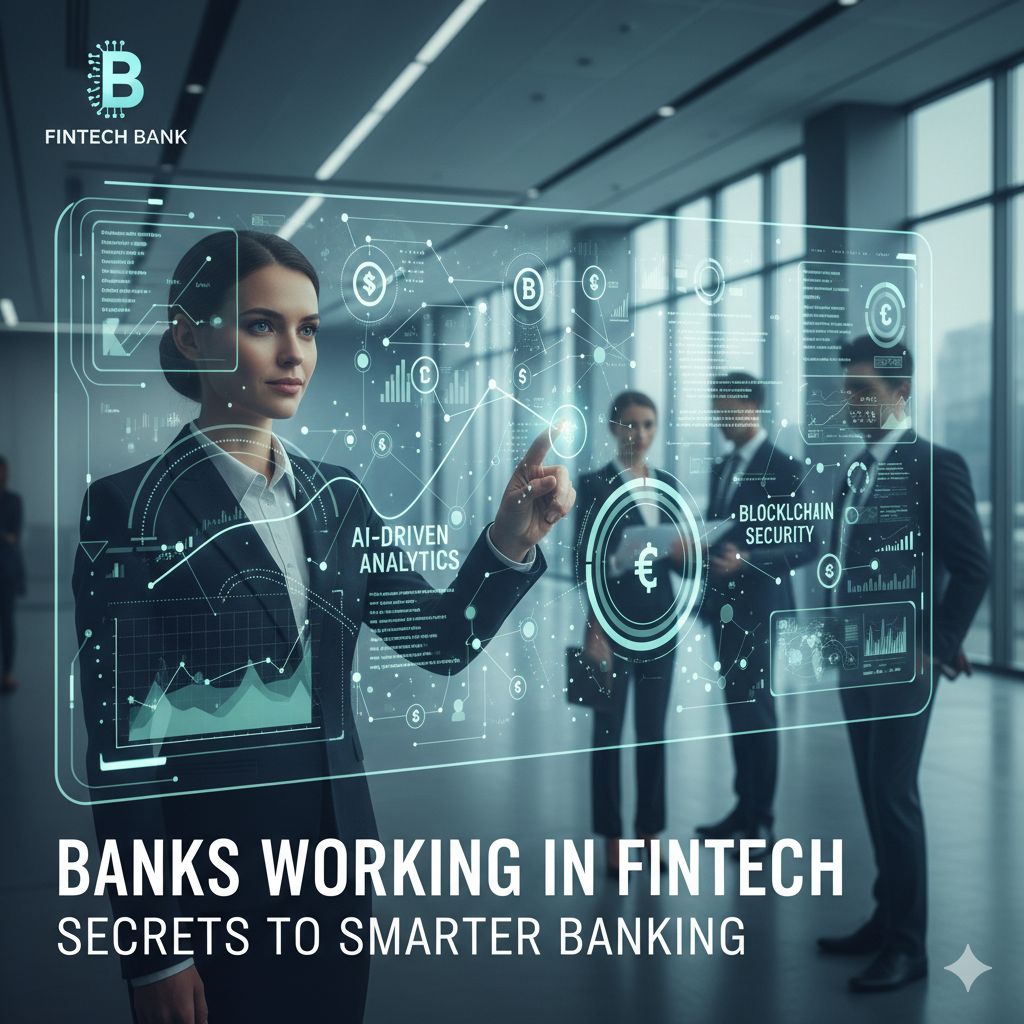
Remember the last time you had to visit a bank during its limited hours physically? For many, that memory is fading fast. The world of finance is undergoing a massive, exciting transformation, all at the intersection of traditional banking and cutting-edge technology. This fusion is creating a new breed of financial institutions that are more agile, customer-focused, and integrated into our digital lives. The era of banks working in fintech is here, and it is changing everything about how we save, spend, and manage our money. This is not just about a fancy new app; it is a fundamental shift towards a more intuitive and empowering financial partnership. For anyone looking to take control of their finances, understanding this shift is the first secret to unlocking more innovative banking.
What Does Banks Working in Fintech Really Mean?
At its core, the phrase describes the powerful collaboration between established, traditional banks and innovative financial technology (fintech) companies. It is not about one replacing the other. Instead, it is a partnership where banks bring their massive customer base, regulatory expertise, and deep financial reserves to the table. Fintechs, in turn, contribute their agility, cutting-edge software, and data-driven approach to problem-solving. Together, they create financial products and services that are far superior to what either could achieve on their own. This synergy allows these new-age institutions to offer everything from lightning-fast loan approvals to hyper-personalised savings advice, all within a user-friendly digital interface that feels as smooth as your favourite social media app.
The Driving Forces Behind the Fintech Revolution in Banking
Why is this happening now? Several key factors have converged to make this collaboration not just possible, but essential. First, consumer demand has shifted dramatically. We live in an on-demand world, and we expect our banking to be just as instant and accessible as ordering food or a ride. Second, advancements in technology, such as artificial intelligence (AI), cloud computing, and robust data analytics, have given developers the tools to build secure and sophisticated platforms. Finally, the competitive landscape has changed. With new digital-only banks and fintech apps gaining popularity, traditional banks had to innovate or risk being left behind. This perfect storm has pushed banks working in fintech to the forefront of the industry.
Key Technologies Powering the Change
-
Artificial Intelligence (AI) and Machine Learning: These technologies power chatbots for customer service, detect fraudulent transactions in real-time, and analyse your spending to offer personalised financial tips.
-
Blockchain and Enhanced Security: While often associated with cryptocurrency, blockchain technology provides highly secure, transparent transaction recording, reducing fraud and errors.
-
Open Banking APIs: These are the digital bridges that allow different financial apps to communicate securely with your bank, enabling you to see all your accounts in one place.
How This Partnership Benefits You: A Smarter Banking Experience
So, what does all this mean for your wallet? The benefits of this collaboration are tangible and directly impact your daily financial life. The primary advantage is a dramatic increase in convenience and personalisation. Your banking app is no longer just a tool to check your balance; it is becoming a proactive financial companion. It can alert you before you overspend, automatically round up your purchases to boost your savings, and help you visualise your financial goals. This level of tailored service, once reserved for the wealthiest clients, is now becoming standard thanks to the data-crunching power of banks working in fintech.
Seamless Digital Onboarding
Gone are the days of filling out stacks of paper forms. Now, you can open a new account in minutes from your couch using your phone’s camera to verify your identity. This streamlined process is a direct result of fintech innovations in digital identity verification.
Hyper-Personalised Financial Products
Instead of one-size-fits-all loan offers, you can now receive personalised credit card or loan options with rates and terms specifically tailored to your unique financial history and behaviour.
Traditional Banks vs. Fintech-Enabled Banks: A Clear Comparison
It is helpful to see the differences side by side. The table below highlights the key distinctions between the old way and the new, more innovative way of banking.
| Feature | Traditional Banking | Fintech-Enabled Banking |
|---|---|---|
| Accessibility | Primarily during branch hours (9 AM – 5 PM) | 24/7 access via mobile app and website |
| Loan Approval | It can take days or weeks with extensive paperwork | Often instant or same-day, with automated processes |
| Fee Structure | Can be complex with hidden fees for maintenance & transactions | Often more transparent, with many offering no-fee accounts |
| Customer Service | In-branch, phone, with potential long wait times | Integrated live chat, AI chatbots, and callback services |
| Personalization | Generic offers and products | Products and insights tailored to your spending habits |
The Hallmarks of a Modern Fintech-Driven Bank
How can you spot a bank that is truly embracing this new model? Look for these key features that have become the hallmarks of a modern, customer-centric institution. These are the tangible signs that a bank is investing in technology to serve you better, not just to cut its own costs.
A User-Centric Mobile App
The app is the new branch. A top-tier app is intuitive, fast, and packed with features like mobile check deposit, peer-to-peer (P2P) payments, and easy bill pay. It should feel like a helpful tool, not a chore to use.
Real-Time Notifications and Insights
You get instant alerts for every transaction, which is a powerful fraud-fighting tool. Beyond that, you receive insights into your spending patterns, like “You’re spending 20% more on dining out this month,” helping you stay on budget.
Automated Savings and Investing Tools
Features like round-up programs, where your card purchases are rounded up to the nearest dollar and the difference is automatically transferred to your savings, make building wealth effortless. Some platforms even offer micro-investing options.
Navigating the Challenges: Security and Trust in a Digital Age
With great power comes great responsibility. As banking becomes more digital, concerns about data privacy and cybersecurity naturally arise. Reputable banks working in fintech understand this and invest heavily in security measures that are often more advanced than those at some traditional banks. They use encryption, biometric logins (like fingerprint and facial recognition), and continuous monitoring to protect your assets and data. It is crucial to choose institutions that are transparent about their security practices and are FDIC-insured, ensuring your deposits are protected up to the legal limit. For a deeper dive into how fintechs prioritise security, the Consumer Financial Protection Bureau offers excellent resources on your digital financial rights.
The Future of Banking: What’s Next on the Horizon?
The evolution is far from over. The future of banks working in fintech is likely to be even more integrated and intelligent. We are moving towards a world of embedded finance, where financial services are seamlessly woven into the apps and platforms we already use for shopping, working, and socialising. Imagine applying for a store’s credit card at checkout without ever leaving the retailer’s app, or having your accounting software automatically sync and categorise expenses. Furthermore, AI will evolve from being a helper to a true financial advisor, offering proactive guidance on everything from tax planning to major life purchases.
Conclusion: Embracing the Change for a Brighter Financial Future
The collaboration between traditional banks and agile fintech companies is not a passing trend; it is the new foundation of the financial world. This powerful partnership is dismantling old barriers, reducing fees, and putting unprecedented control and insight into consumers’ hands. By choosing to bank with institutions that actively embrace this change, you are not just opening an account—you are equipping yourself with the tools for a more intelligent, more secure, and more prosperous financial life. The secret is out: the future of banking is collaborative, digital, and designed for you.
FAQ
Q1: Are fintech-based banks safe?
Yes, most are very safe. The key is to ensure the institution is FDIC-insured (for banks) or NCUA-insured (for credit unions). This means your deposits are protected up to $250,000 per depositor, per institution, just like at a traditional bank. They also typically use advanced security measures, such as biometrics and encryption.
Q2: Can I still talk to a real person?
Absolutely. While digital services are a priority, most modern banks operating in fintech offer robust customer support via phone, live chat, video calls, or a network of physical branches or partner locations. The goal is to give you a choice in how you interact with them.
Q3: How do these banks make money if they have low fees?
They use several models. Some operate on interchange fees (a small percentage from merchants on card transactions). Others offer premium subscription services with extra features, or make money by providing loans and other financial products, much like traditional banks, but with lower overhead costs. For more insights on the evolving business models in finance, you can explore analysis from leading institutions like the Federal Reserve or read industry reports on sites like Fintech Zoom.