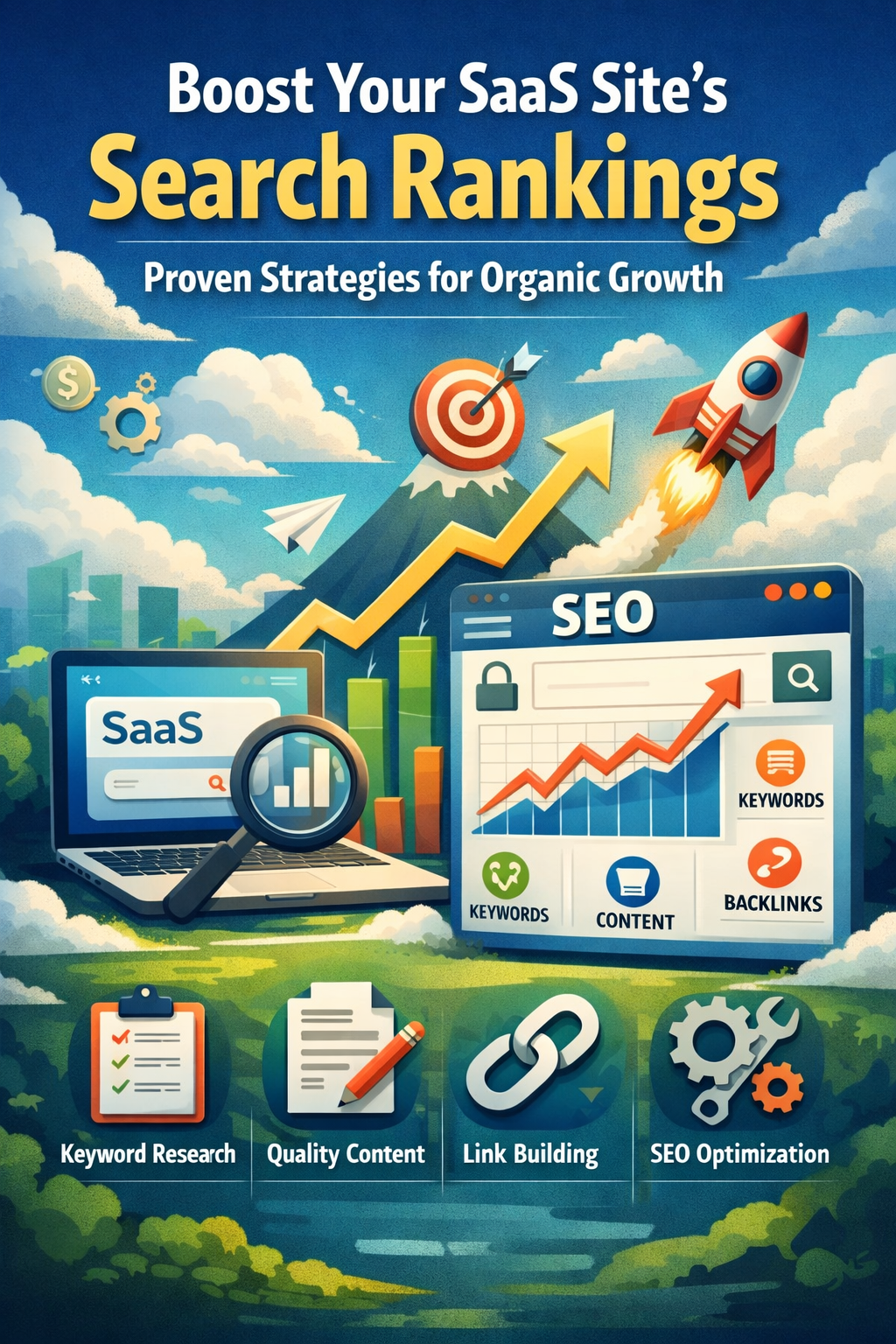
In today’s competitive digital landscape, getting your SaaS website to climb the search engine ranks isn’t just about luck, it’s about strategy. If you’re wondering how we can increase SaaS sites ranking or how to do SEO for SaaS, you’re in the right place. Whether you’re a startup founder or a marketing pro, improving visibility on Google can lead to more organic sign-ups and sustainable growth. This guide breaks down a holistic approach to increase a SaaS site’s ranking, drawing from core principles that focus on what search engines and users truly value.
Laying the Groundwork with Technical Optimization
The backbone of any successful SEO effort starts with technical SEO (The Foundation). Without a solid technical setup, even the best content won’t get the attention it deserves. Think of it as building a house: you need strong foundations before adding the fancy decor.
First, optimize site speed & performance. Slow-loading pages frustrate users and signal to Google that your site isn’t up to par. Compress images, minify CSS and JavaScript, and choose a hosting provider known for reliability. Tools like Google’s PageSpeed Insights can help you identify bottlenecks and aim for load times under three seconds to keep bounce rates low and rankings high.
Next, embrace mobile-first design. With Google indexing mobile versions of sites first, a non-responsive design is a recipe for disaster. Test your site on various devices to ensure seamless navigation, quick interactions, and no layout issues. This not only boosts rankings but also caters to the growing number of users accessing SaaS tools on the go.
Don’t overlook clean site architecture & crawlability Saas sites list. A logical URL structure like /features/pricing instead of cryptic strings makes it easier for search engines to understand your site. Submit an XML sitemap via Google Search Console and craft a robots.txt file to direct crawlers away from irrelevant pages.
To take it further, implement schema markup. This structured data helps search engines display rich results, such as star ratings or FAQ snippets, making your listings more clickable. For SaaS sites, mark up product pages with details on features, pricing, and reviews to stand out in search results.
Finally, secure everything with HTTPS. An SSL certificate is non-negotiable; it’s a basic trust signal that protects user data and positively influences rankings.
Crafting Content That Converts
Moving beyond the tech side, content marketing (Solving User Problems) is where you connect with your audience. High-quality, problem-solving content not only attracts visitors but also turns them into loyal users.
Start by targeting the right keywords. Skip broad terms like “SaaS software” and zero in on long-tail phrases, such as “best SaaS CRM for small teams.” Use tools like Ahrefs or Semrush to uncover search intent and volume, ensuring your content aligns with what potential customers are actually typing into Google.
Build depth with developing content clusters. Create pillar pages as comprehensive overviews of broad topics, like “The Ultimate Guide to SaaS Marketing,” and link them to cluster articles diving into specifics, such as “Email Automation Strategies for SaaS.” This internal linking boosts topical authority and helps search engines see your site as a go-to resource.
Aim to create 10x content material that’s exponentially better than competitors’. Back it with original data, case studies from your own product, guest blogging sites list, and actionable insights. For instance, share how your SaaS tool helped a client boost efficiency by 40%, complete with real metrics.
Always optimize on-page elements. Weave keywords naturally into titles, meta descriptions, H1/H2 headings, and alt text for images. But remember, readability comes first avoid stuffing keywords that disrupt the flow.
And don’t let content stagnate: regularly update content. Refresh stats, add new examples, and cite recent sources to maintain relevance. Search engines reward fresh, evergreen material that keeps users coming back.
Key Strategies at a Glance: Main Points for SaaS SEO Success
To make this even clearer, here’s a concise list of the core elements from this guide. These are the pillars that answer questions like How can a SaaS company improve its Google rankings and get more organic sign-ups?, How to improve domain ranking?, and even What are the 3 C’s of SEO? (which stands for Content, Code, and Competition focusing on quality creation, technical soundness, and outperforming rivals).
- Technical SEO: Fix speed, mobile optimization, architecture, schema, and security for crawlable, fast sites.
- Content Marketing: Research keywords, build clusters, produce superior content, optimize pages, and keep everything updated.
- User Experience (UX): Enhance engagement with CTAs, readability, and vital metrics.
- Authority Building: Secure backlinks, gather reviews, and lead industry conversations.
Implementing these will not only elevate your rankings but also foster trust and conversions.
Enhancing User Engagement for Better Signals
A great site isn’t just about bots, it’s about people. User experience (UX) plays a huge role in rankings, as Google tracks metrics like dwell time and bounce rates.
Begin with ensuring clear calls-to-action (CTAs). Phrases like “Get Started Free” or “Schedule a Demo” should be prominent and persuasive, guiding visitors toward sign-ups without confusion.
Improve readability by breaking up text with headings, bullets, and visuals. Incorporate product screenshots, infographics, or short videos to illustrate features, making complex SaaS concepts digestible.
Keep an eye on monitor core web vitals. Use tools to track LCP (loading performance), FID (interactivity), and CLS (visual stability). Optimizing these ensures a smooth experience, signaling to Google that your site is user-friendly.
Building Credibility in a Crowded Market
To truly dominate, focus on authority building (Earning Trust). This involves external validation that tells search engines your site is reputable.
Build high-quality backlinks through guest posts on industry blogs, listings on sites like G2 or Capterra, and creating shareable assets like free tools or research reports. Quality over quantity links from authoritative domains pack more punch.
Leverage brand mentions & reviews by encouraging satisfied users to share feedback on trusted platforms. Hunt for unlinked mentions and request backlinks to amplify your presence.
Position yourself as an expert with established thought leadership. Contribute to podcasts, host webinars, or engage on social media with insightful commentary. This not only attracts links but also builds a community around your brand.
Wrapping Up: Measure and Iterate for Long-Term Wins
By weaving together technical SEO, high-quality content, user experience (UX), and authority building, you’ll see steady improvements in your SaaS site’s rankings. Tools like Google Analytics and Search Console will help track progress—monitor organic traffic, keyword positions, and conversion rates. Remember, SEO is a marathon: consistent effort pays off with more visibility, trust, and those coveted organic sign-ups. Start small, scale up, and watch your domain authority soar.