Drywall is used in almost every modern home and building. It creates smooth walls and clean ceilings. But one question comes up again and again during construction or remodeling: how thick is drywall? The answer is simple, but choosing the right thickness is where many people go wrong. Drywall thickness affects strength, durability, sound control, fire safety, ceiling sag, and even long-term maintenance. Picking the wrong thickness can cause cracks, noise problems, or ceiling damage later. That is why understanding drywall thickness before you build is so important.
Drywall is not one-size-fits-all. It comes in a few standard thicknesses. Each one serves a specific purpose. The key is matching the thickness to the job, not guessing.
Standard Drywall Thicknesses Explained
Drywall is made in four common thickness levels. Each one has a different use.
- The thinnest drywall is 1/4 inch. This type is very light and flexible. It is mainly used to cover old walls, create curves, or fix minor surface issues. It is not strong enough for most walls or ceilings on its own.
- Next is 3/8 inch drywall. This is slightly stronger than 1/4 inch and is sometimes used for repairs or light wall work. However, it is still not strong enough for full wall systems or ceilings in most homes.
- The most common drywall thickness is 1/2 inch. This is what you see in most residential walls and many ceilings. It provides a good balance of strength, cost, and ease of installation. For bedrooms, living rooms, hallways, and home offices, 1/2 inch drywall is usually the standard choice.
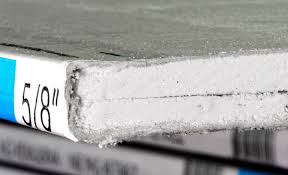
- The thickest common option is 5/8 inch drywall. This type is heavier and much stronger. It is mainly used for fire-rated walls, sound-control walls, garages, and ceilings where sagging could be an issue. It also helps block noise between rooms and units.
Why Drywall Thickness Matters More Than You Think?
Many people assume drywall is just drywall. But thickness plays a big role in how your walls and ceilings perform over time. Thicker drywall is stronger. It resists dents from furniture, door handles, and daily wear. Thin drywall dents easily and can crack under stress.
On ceilings, thickness is even more important. Drywall bends under its own weight. If the ceiling framing is wide or carries insulation above it, thin drywall may sag after a few years. Thicker drywall prevents that problem. Fire resistance is another key reason for thickness. Thicker drywall slows the spread of flames and heat. That is why garages and shared walls often require 5/8 inch drywall by building code.
Sound control also improves with thickness. Thicker drywall blocks more noise. This matters in apartments, duplexes, offices, and homes with theaters or bedrooms next to living rooms. Cost and labor are tied to thickness too. Thicker drywall costs more and weighs more. That means higher material costs and heavier lifting during installation.
Which Drywall Thickness Works Best for Each Area?
- For standard interior walls, 1/2 inch drywall works best. It is strong enough for everyday use and affordable for large spaces.
- For ceilings with close framing, 1/2 inch drywall can be used safely. But if the ceiling framing is wide or carries extra weight, 5/8 inch drywall is the safer option.
- For garages, 5/8 inch drywall is often required for fire resistance. It creates an added layer of safety between the garage and living areas.
- For shared walls in apartments or duplexes, thicker drywall helps block noise and slows fire spread. Many builders use 5/8 inch drywall in these places.
- For bathrooms and kitchens, thickness depends more on the type of drywall than the size. Moisture-resistant drywall usually comes in 1/2 inch or 5/8 inch depending on the need.
- For curved walls or surface overlays, thin drywall like 1/4 inch or 3/8 inch works best because it bends easily.
What Happens If You Use the Wrong Thickness
Using drywall that is too thin can lead to cracks, dents, noise problems, and even ceiling collapse in extreme cases. Thin boards on ceilings with wide framing often sag over time. Once sagging starts, it is hard to fix without full replacement.
Using drywall that is too thick increases costs without giving real benefits in normal spaces. It also makes drywall installation harder and puts more load on the framing. Choosing the wrong thickness can also lead to failed inspections. Many building codes require 5/8 inch drywall in garages and between living units for fire safety.
Drywall Thickness and Ceiling Sag
Ceiling sag is one of the biggest problems caused by incorrect drywall thickness. Gravity constantly pulls drywall downward. Over time, thin boards bend under their own weight.
If ceiling joists are spaced far apart, thin drywall will struggle. Insulation above the ceiling adds extra weight. After a few years, the ceiling may develop waves or low spots.
Using 5/8 inch drywall on wide-span ceilings greatly reduces this risk. It is stiffer and holds its shape better over time.
Cost Differences Between Drywall Thicknesses
Thin drywall costs less than thick drywall. But saving money upfront can create repair costs later.
1/4 inch and 3/8 inch drywall are cheaper but limited in use.
1/2 inch drywall offers the best balance between price and performance.
5/8 inch drywall costs more but delivers better durability, sound control, and fire resistance.
For most homes, spending a little extra on thicker drywall in key areas saves money long-term by preventing damage and meeting safety codes.
Installation Tips Based on Thickness
Thicker drywall needs longer screws. Using short screws on thick drywall weakens the attachment and may cause loose boards later. Thicker drywall also requires stronger framing support. Ceilings especially must be built to handle the extra weight.
Thin drywall bends easily but breaks faster during handling. It must be installed carefully to avoid cracking. Always match drywall thickness with the framing layout, ceiling load, and room purpose to avoid performance issues.
How Drywall Thickness Affects Construction Estimating
Drywall thickness directly changes material quantities, fastener counts, labor hours, and load calculations. From a construction estimating point of view, thicker drywall increases:
- Board weight
• Screw length requirements
• Labor effort
• Transport cost
• Fire-rating value
• Sound performance
Choosing the correct thickness at the estimating stage prevents budget errors and site delays. It also avoids last-minute changes that increase project costs. Drywall may look simple, but incorrect thickness selection can throw off an entire finishing phase.
People Also Ask – How Thick Is Drywall
What is the normal drywall thickness for a house?
The most common drywall thickness for homes is 1/2 inch. It is used for most interior walls and many ceilings because it balances strength, cost, and easy installation.
Is 5/8 inch drywall better than 1/2 inch?
5/8 inch drywall is stronger and offers better fire resistance and sound control. It is better for garages, shared walls, and ceilings that need extra support. But for standard walls, 1/2 inch is usually enough.
Can you use 1/2 inch drywall on ceilings?
Yes, 1/2 inch drywall can be used on ceilings if the framing is close together and there is no heavy load above. For wider framing or thicker insulation, 5/8 inch drywall is safer.
What thickness drywall is used for soundproofing?
For sound control, 5/8 inch drywall is commonly used. Thicker boards block more noise and are often paired with insulation or double-stud walls.
Is thinner drywall weaker?
Yes, thinner drywall dents more easily, cracks faster, and provides less fire and sound protection. It is only suitable for special applications like curved walls or surface overlays.
Does thicker drywall increase home value?
Indirectly, yes. Thicker drywall improves durability, safety, and sound control. These features add comfort and quality, which can improve resale appeal.
Final Thoughts
Drywall thickness may look like a small detail, but it plays a big role in how your walls and ceilings perform over time. The most common choice, 1/2 inch drywall, works well for standard rooms. Thicker 5/8 inch drywall is better for fire safety, sound control, garages, and wide-span ceilings. Thinner boards are best only for special uses like curved walls and overlays. Click here for more information for drywall and its problems + solutions.
Choosing the right thickness protects your structure, improves comfort, and prevents long-term issues like sagging, cracks, and noise transfer. For builders, remodelers, and homeowners, drywall thickness should never be an afterthought. It is a structural decision that affects safety, performance, and value.