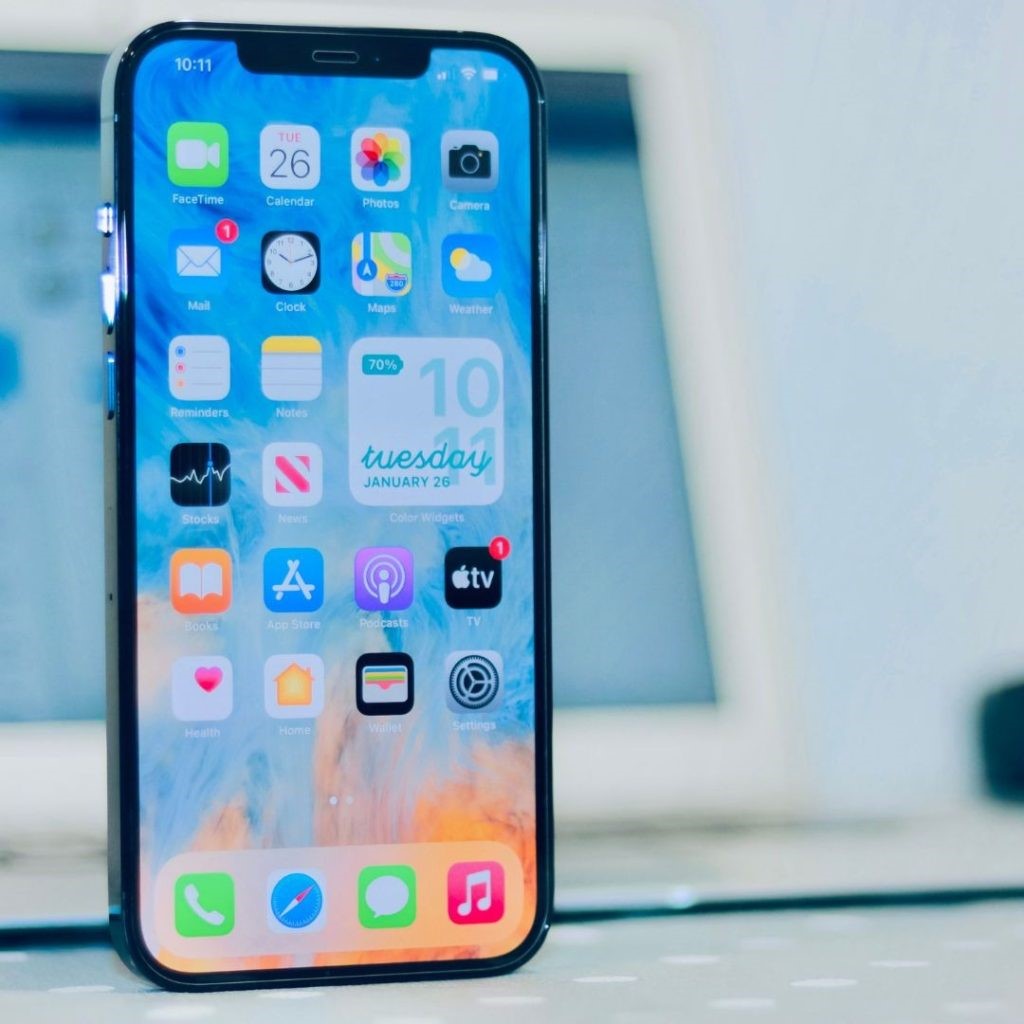
International travel has always come with its share of connectivity challenges. From hunting down local SIM cards at airport kiosks to dealing with exorbitant roaming charges, staying connected abroad has traditionally been expensive and inconvenient. However, a revolutionary technology is changing the game for travelers worldwide: the embedded SIM, or eSIM. This digital alternative to physical SIM cards is reshaping how we approach mobile connectivity when crossing borders, offering unprecedented flexibility and convenience.
What Makes eSIM Different from Traditional SIM Cards
Traditional SIM cards are physical chips that must be inserted into your phone to connect to a mobile network. They’re tied to specific carriers and require physical swapping when you want to change providers. eSIMs, by contrast, are embedded directly into your device’s hardware. Instead of replacing a physical card, you simply download a digital profile from your chosen carrier. This fundamental difference opens up a world of possibilities for travelers.
The technology behind eSIMs isn’t entirely new—it’s been used in smartwatches and tablets for years—but its mainstream adoption in smartphones has accelerated dramatically. Most flagship devices released after 2018 now support eSIM technology, including recent iPhone models, Samsung Galaxy devices, Google Pixels, and many others. This widespread compatibility means more travelers can take advantage of this technology without needing to upgrade their devices.
Breaking Free from Roaming Fees
One of the most significant pain points for international travelers has always been roaming charges. Traditional carriers often charge premium rates for using your phone abroad, with data costs that can quickly spiral into hundreds of dollars. A simple mistake like forgetting to disable data roaming can result in bill shock that ruins your vacation budget.
eSIM technology eliminates this concern by allowing you to purchase local or regional data plans at competitive rates. When traveling to eSim Mexico, for instance, you can activate a local eSIM plan before your flight even lands. The moment you touch down in Cancun, Mexico City, or Guadalajara, your phone connects to local networks at local rates. No more paying $10 per megabyte or dealing with complicated international roaming packages from your home carrier.
The cost savings can be substantial. While traditional roaming might cost $10-15 per day with limited data, eSIM plans often provide multiple gigabytes of high-speed data for a fraction of that price over longer periods. For a two-week vacation, you could save hundreds of dollars simply by switching to an eSIM solution.
Instant Activation Anywhere in the World
The convenience factor of eSIMs cannot be overstated. Gone are the days of landing in a foreign country, searching for a SIM card vendor, dealing with language barriers, and fumbling with tiny SIM ejector tools in crowded airport terminals. With eSIMs, activation happens digitally, often in minutes.
Before your trip, you can research and purchase an eSIM plan for the Philippines or any other destination from the comfort of your home. You’ll receive a QR code via email, which you scan with your phone’s camera. The eSIM profile downloads and installs automatically. Many travelers choose to install their eSIM before departure, so they’re connected the instant their plane lands in Manila, Cebu, or Boracay.
This instant activation extends beyond just convenience—it’s a safety feature. Having immediate connectivity means you can contact loved ones, access maps, book transportation, and handle emergencies without delay. There’s no vulnerable period where you’re wandering around a foreign airport trying to get online.
Managing Multiple Lines on a Single Device
Modern smartphones with eSIM capability can store multiple eSIM profiles simultaneously, typically five to ten different plans. While only one or two can be active at once (depending on your device), this storage capacity offers incredible flexibility for frequent travelers.
You can maintain your home number on a physical SIM while having eSIM profiles ready for countries you visit regularly. Business travelers particularly benefit from this dual-SIM functionality. They can keep their work number active for important calls while using a local eSIM for data, avoiding the high costs of international data roaming while remaining reachable on their primary number.
The switching process between eSIM profiles is straightforward, handled entirely through your device settings. No physical swapping, no risk of losing tiny SIM cards, and no need to store multiple cards when traveling through several countries. For multi-country trips across Southeast Asia, Europe, or Latin America, you can have region-specific plans ready to activate as you cross borders.
Environmental and Practical Benefits
Beyond convenience and cost savings, eSIM technology offers environmental advantages. The production of billions of plastic SIM cards annually generates significant waste. Each card requires plastic manufacturing, packaging, and shipping. When users switch carriers or upgrade devices, these cards often end up in landfills.
eSIMs eliminate this waste entirely. There’s no physical product to manufacture, package, or dispose of. The digital nature of eSIMs means carriers can offer their services with a dramatically reduced environmental footprint. For environmentally conscious travelers, this aspect adds another compelling reason to embrace the technology.
From a practical standpoint, eSIMs also solve the common problem of SIM card storage. Many travelers accumulate local SIM cards from various countries, storing them in wallets or drawers for potential reuse. These tiny cards are easily lost, damaged, or forgotten. With eSIMs, your phone stores all your profiles digitally, organized and accessible whenever needed.
Security Advantages for Travelers
Travel involves security risks, and traditional SIM cards present a specific vulnerability. Physical SIM cards can be stolen along with your phone, potentially allowing thieves to access accounts protected by SMS-based two-factor authentication. They can also be swapped out without your knowledge in certain SIM-swapping fraud scenarios.
eSIMs provide enhanced security because they’re embedded in your device and protected by your phone’s passcode or biometric authentication. Removing or changing an eSIM profile requires access to your unlocked device and confirmation through your device security. This additional layer of protection makes eSIM-enabled phones more resistant to certain types of fraud.
For travelers, this security extends to protecting your home carrier information. When using an eSIM for travel, you can keep your primary carrier details secure while using a separate profile for local connectivity. This separation helps protect your main account from potential security issues that might arise from using unfamiliar networks abroad.
Regional Coverage and Flexibility
One of the most impressive aspects of modern eSIM services is their regional coverage options. Instead of purchasing separate plans for each country, many eSIM providers offer regional packages covering multiple countries with a single plan. This approach is ideal for travelers exploring several destinations in one trip.
For travelers touring Southeast Asia, Europe, or other regions, regional eSIM plans eliminate the hassle of switching carriers at every border. Your data continues working seamlessly as you move between countries, with the eSIM automatically connecting to available partner networks. This continuity is particularly valuable for navigation apps, messaging services, and maintaining social media connectivity without interruption.
The flexibility extends to plan customization as well. eSIM providers typically offer various data allowances, validity periods, and coverage options. Whether you need 1GB for a short weekend trip or 20GB for a month-long adventure, plans can be tailored to your specific needs. Many services also allow you to top up data if you run low, eliminating the anxiety of rationing connectivity.
Choosing the Right eSIM Provider
The growing popularity of eSIMs has led to an expanding marketplace of providers, each offering different features, coverage areas, and pricing structures. When selecting an eSIM service, several factors deserve consideration.
Coverage reliability tops the list—ensure your chosen provider has partnerships with reputable local carriers in your destination country. Network quality matters as much as coverage area. Some providers offer access to premium networks with faster speeds, while others might connect to budget carriers with more limited infrastructure.
Pricing transparency is crucial. Look for providers that clearly outline all costs upfront, including any activation fees, daily rates, or data overage charges. The best providers offer straightforward pricing with no hidden fees. Customer support availability also matters, especially when traveling across time zones. Providers offering 24/7 support through multiple channels (email, chat, phone) provide peace of mind if issues arise during your trip.
Data speed specifications should be clearly stated. Some eSIM plans offer full-speed LTE or 5G, while others may throttle speeds after certain usage thresholds. Understanding these limitations helps you choose a plan appropriate for your usage patterns, whether you need high-speed data for video calls or just basic connectivity for messaging and navigation.
Compatibility Considerations
Before committing to an eSIM strategy for your travels, verify your device’s compatibility. While most recent smartphones support eSIM technology, not all do. Apple iPhones from XS and newer, recent Samsung Galaxy models, Google Pixel phones, and many other flagship devices include eSIM capability. However, some budget models and older devices may lack this feature.
Checking compatibility is straightforward—your device manual or manufacturer’s website will specify eSIM support. Within your phone’s settings, you can typically find eSIM management options if your device supports the technology. Some devices support multiple eSIM profiles but only one active eSIM at a time, while newer models can run dual eSIMs simultaneously.
Carrier lock status also affects eSIM usage. Some phones purchased through carriers come locked to that carrier’s network, which can prevent eSIM profile installation from other providers. Ensure your device is unlocked before traveling, or contact your carrier to request unlocking. This step is crucial for successfully using international eSIM services.
Practical Tips for First-Time eSIM Users
Transitioning to eSIM technology for the first time can feel daunting, but the process is more straightforward than it appears. Start by installing your first eSIM while still at home, connected to familiar WiFi. This trial run helps you understand the process without the pressure of being in a foreign airport.
Keep your eSIM QR code and activation details accessible throughout your trip. While most installations proceed smoothly, having backup access to your activation information (perhaps screenshotted or saved in email) ensures you can reinstall if needed. Some travelers save QR codes to their phone’s photo gallery for easy access.
Configure your device’s data settings before traveling to prevent accidental roaming charges on your primary SIM. Most smartphones allow you to designate which line handles cellular data, calls, and messages. Set your eSIM as the data line and disable data roaming on your primary SIM. This configuration ensures your device uses the eSIM for internet while keeping your home number active for important calls.
Monitor your data usage through your device settings or the eSIM provider’s app. Understanding your consumption patterns helps prevent unexpected overage charges and allows you to adjust usage or purchase additional data proactively. Many eSIM services provide real-time usage tracking and alerts when you approach your limit.
The Future of Travel Connectivity
eSIM technology represents just the beginning of a broader shift in how we approach mobile connectivity. As 5G networks expand globally and eSIM adoption increases, we’ll likely see even more innovative solutions for travelers. Virtual network operators specializing in global connectivity are emerging, offering seamless multi-country coverage that adapts automatically to your location.
The technology may eventually eliminate the concept of “roaming” entirely. Instead of distinguishing between home and international service, future models might offer truly global connectivity plans where your service follows you anywhere at consistent rates. This evolution would further simplify international travel, removing yet another barrier to exploring the world.
Integration with other travel technologies is also on the horizon. Imagine booking a flight and having an appropriate eSIM plan automatically recommended or bundled with your ticket. Travel apps might integrate eSIM purchasing and management, creating seamless digital travel experiences where connectivity is just another aspect of trip planning, handled automatically.
Making the Switch Worth It
The transition from physical SIM cards to eSIM technology represents more than just a technical upgrade—it’s a fundamental improvement in how travelers stay connected globally. The combination of cost savings, convenience, security, and flexibility makes eSIMs an essential tool for modern international travel.
Whether you’re a frequent business traveler, a digital nomad, or someone planning their first international vacation, eSIM technology removes traditional connectivity friction points. No more hunting for SIM cards, no more bill shock from roaming charges, no more periods of disconnection in unfamiliar places. With just a few taps on your smartphone, you can access local networks anywhere in the world.
The investment in setting up your first eSIM pays dividends immediately. The time saved at airports alone justifies the effort, not to mention the financial savings and peace of mind from having reliable connectivity from the moment you arrive. As more travelers discover these benefits, eSIM adoption will only accelerate, making it the standard approach to international connectivity.
For your next international trip, consider making the switch. Whether you’re heading to bustling cities or remote beaches, eSIM technology ensures you stay connected on your terms, at prices that make sense, with the convenience that modern travel demands.
Frequently Asked Questions
Can I use an eSIM and a physical SIM card at the same time?
Yes, most eSIM-compatible smartphones support dual SIM functionality, allowing you to use both a physical SIM and an eSIM simultaneously. This feature is particularly useful for travelers who want to keep their home number active for calls while using an eSIM for local data. You can configure which line handles data, calls, and messages through your device settings.
Will my phone number change when I activate an eSIM?
No, activating an eSIM for data doesn’t change your existing phone number. When you install an eSIM, you’re adding a new line to your device, not replacing your current one. Your original number remains active on either your physical SIM or primary eSIM. You can receive calls and texts on both numbers simultaneously if your device supports dual active SIM.
How long does it take to activate an eSIM?
eSIM activation typically takes just a few minutes. Once you receive your QR code from the provider, you scan it with your phone’s camera, and the eSIM profile downloads automatically. In most cases, you’ll be connected within 5-10 minutes. Some providers offer instant activation upon arrival in your destination country, while others activate immediately after purchase.
What happens to my eSIM if I need to reset my phone?
If you perform a factory reset on your device, your eSIM profiles will be deleted along with all other data. However, most eSIM providers allow you to reinstall your plan by contacting support or accessing your account online to retrieve a new QR code. Some services provide backup options within their apps. It’s advisable to note down your eSIM details before performing any device resets.
Are eSIMs more expensive than buying local SIM cards?
eSIMs are generally comparable in price to local SIM cards, and often cheaper when you consider the convenience factor. While you might find slightly cheaper options buying SIM cards locally in some countries, eSIMs eliminate airport vendor fees, potential language barriers, and the time spent searching for vendors. The convenience of instant activation and the ability to purchase before traveling often makes eSIMs the more economical choice overall.