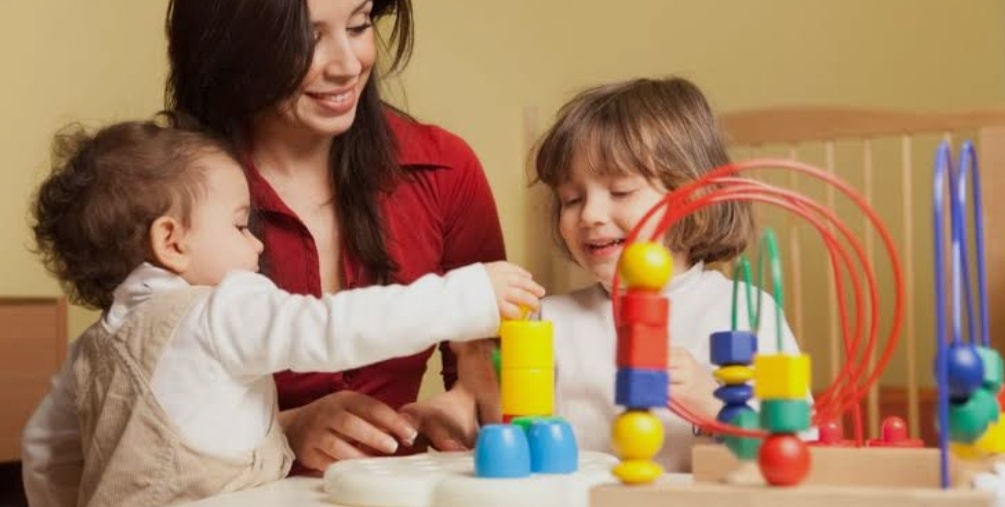
For parents searching for a Montessori preschool nearby, finding a program that nurtures independence and curiosity is key. Montessori preschools focus on hands-on learning and respect for each child’s individuality, creating an environment where children can develop at their own pace.
A Montessori preschool near me offers a child-centered approach that fosters intellectual, social, and emotional growth through carefully designed materials and expert guidance. Many preschools in urban areas, like Toronto, provide programs aligned with reputable frameworks to ensure quality early childhood education.
Choosing the right Montessori preschool means considering factors like curriculum, teacher qualifications, and the learning environment. Local options often include schools that emphasize multilingualism, gradual skill development, and community engagement to support each child’s unique journey.
Choosing the Best Montessori Preschool Near Me
Finding the right Montessori preschool requires understanding its unique educational approach, benefits for young children, and how it differs from traditional settings. Parents should also consider specific factors that affect quality and fit for their child.
Benefits of Montessori Education for Young Children
Montessori education emphasizes independence, hands-on learning, and self-paced progress. Children develop critical skills such as concentration, coordination, and practical life abilities early on.
The method supports emotional and social growth through mixed-age classrooms, fostering peer learning and collaboration. It encourages curiosity and intrinsic motivation instead of external rewards or strict schedules.
Children in Montessori settings typically receive individual attention, allowing for tailored learning experiences that adapt to each child’s developmental needs. This promotes confidence and a strong foundation for future education.
How Montessori Differs from Traditional Preschools
Montessori preschools prioritize self-directed activity over teacher-led instruction. Students choose tasks within a prepared environment, guided by specially trained educators rather than following a fixed curriculum.
Classrooms include specific educational materials designed to promote sensory engagement and conceptual understanding. There is less emphasis on worksheets and more on tactile learning aids.
Unlike traditional preschools, Montessori settings have multi-age groups to encourage mentorship and natural social interaction. The pace of learning is flexible rather than paced by group lessons or standardized tests.
Key Criteria for Selecting a Local Montessori Preschool
Parents should evaluate teacher qualifications, ensuring staff have Montessori certification and experience. This affects how well the philosophy is implemented.
The classroom environment should include age-appropriate Montessori materials, organized to encourage independent exploration. A well-prepared and orderly space signals adherence to Montessori principles.
Look for a school with small class sizes for personalized attention. Also consider factors like school reputation, parent reviews, daily schedules, and how communication with families is managed.
Finally, visiting schools to observe interactions and ask about their approach to social-emotional development can help determine the best local fit.
Montessori Curriculum and Daily Experience
Montessori preschools focus on hands-on learning tailored to children’s natural growth. The daily environment is designed to cultivate independence, practical skills, and social development. Educators play a critical role in guiding children through this self-directed learning journey.
Core Principles of the Montessori Method
The Montessori approach centers on independence, sensory exploration, and real-world application. Children engage in activities across five core areas: Practical Life, Sensorial, Mathematics, Language, and Culture. These areas develop essential skills like coordination, concentration, and problem-solving.
Materials are tactile and self-correcting, encouraging children to learn through trial and error. The method respects each child’s pace, fostering confidence rather than competition. Emphasis is placed on grace, courtesy, and respect for the classroom environment.
Sample Daily Schedule in a Montessori Preschool
A typical day begins with a warm greeting, followed by a work cycle ranging from 2 to 3 hours. Children choose activities that interest them within prepared learning areas, allowing deep focus. Snack and outdoor play are included to balance social and physical development.
Circle time may introduce songs, stories, or group discussions encouraging community. Activities often alternate between individual and group work. The schedule balances structure with flexibility to meet each child’s needs and moods.
Role of Certified Montessori Educators
Certified Montessori educators observe and guide rather than instruct directly. Their role is to prepare the environment and present materials appropriately. They support children’s independence by fostering decision-making and self-discipline.
Teachers carefully monitor progress and adapt lessons to individual development stages. They model respectful behavior and help children internalize social skills. Their training ensures adherence to Montessori principles while encouraging curiosity and confidence.