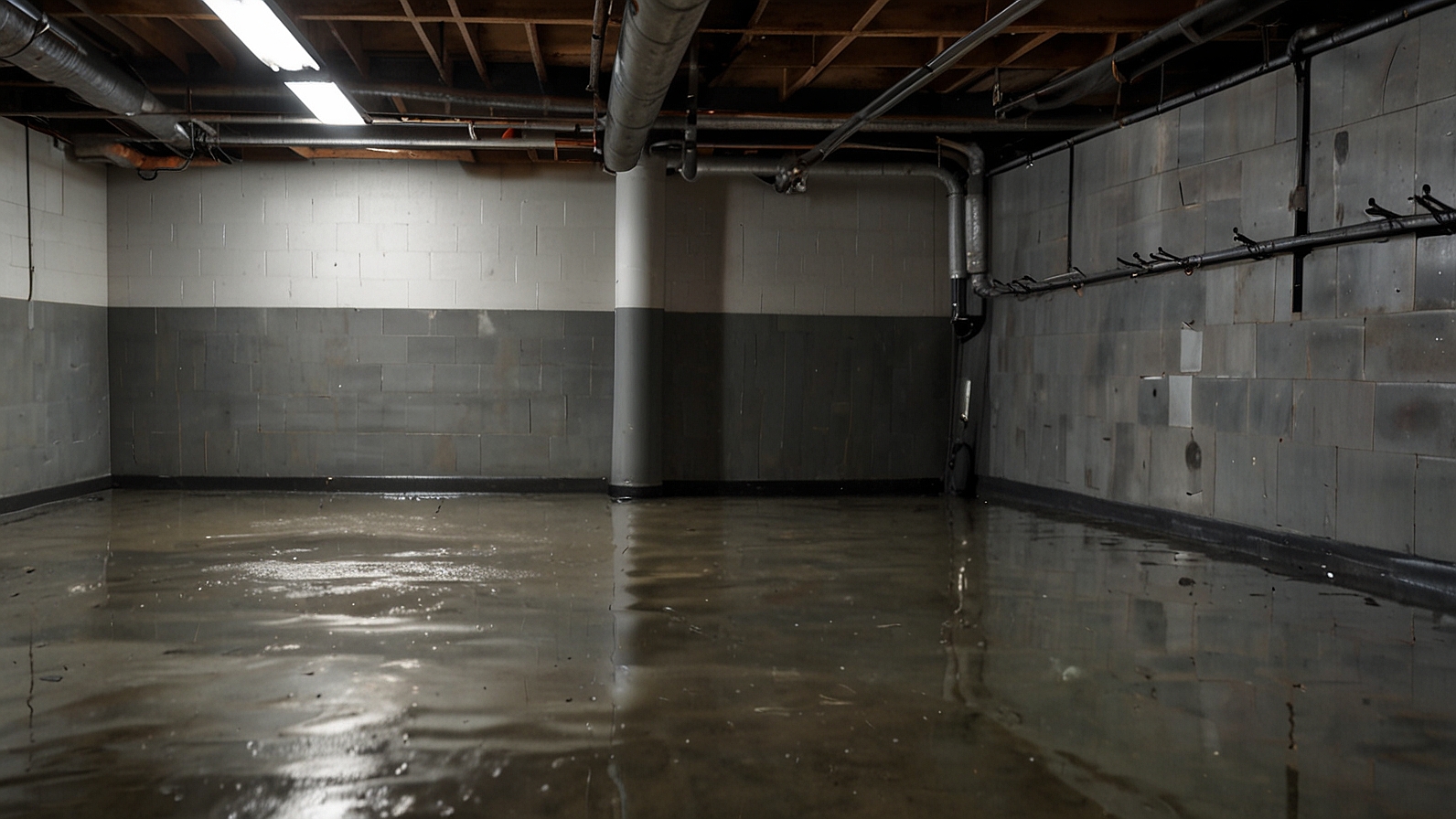
Basement waterproofing is essential for protecting a home’s foundation and preventing water damage. It involves sealing walls and floors to stop water from seeping in, which can lead to mold, structural issues, and costly repairs. Effective waterproofing creates a dry, safe space and safeguards the entire structure from moisture-related problems.
There are several methods to waterproof a basement, including interior sealants, exterior coatings, sump pumps, and drainage systems like French drains. Each solution addresses different types of water intrusion and varies in cost and durability, depending on the home’s specific needs and local climate conditions.
Understanding how to identify leaks and choosing the right waterproofing method can save homeowners significant trouble down the line. Professionals often offer transferable guarantees to ensure long-term protection, making it a worthwhile investment for any property owner.
What Is Basement Waterproofing?
Basement waterproofing involves specific actions and materials designed to prevent water from entering or accumulating in basement spaces. It addresses the causes of moisture intrusion and protects a home’s structure and indoor air quality.
Purpose and Benefits
Basement waterproofing aims to keep basements dry and free from water damage. By sealing cracks, applying waterproof membranes, and improving drainage systems, it protects walls and floors from seepage. This helps avoid problems like mold growth, wood rot, and corrosion of metal components.
The primary benefits include preserving the structural integrity of the foundation, preventing health hazards related to mold, and maintaining or increasing property value. Effective waterproofing also reduces repair costs from water damage and enhances living conditions in finished basements.
Common Causes of Basement Water Issues
Water infiltration usually results from surface water accumulation, high groundwater levels, or plumbing leaks. Poor soil drainage, cracks in foundation walls, and clogged gutters can direct water toward the basement.
Hydrostatic pressure—the force exerted by water in saturated soil—pushes moisture through concrete or masonry. Inadequate grading around the house or a missing drainage system can worsen this pressure. Plumbing failures, such as leaking pipes or sump pump malfunctions, also contribute to basement water problems.
Signs Your Basement Needs Waterproofing
Visible water stains or damp spots on walls and floors indicate existing moisture issues. Efflorescence, a white powdery residue on masonry, signals water seepage through concrete surfaces. Musty odors often suggest mold or mildew growth due to high humidity levels.
Cracks in foundation walls, warped or peeling paint, and rust on metal fixtures are additional signs. Standing water after rainfall or a consistently wet floor confirms poor waterproofing. Early detection of these signs allows timely intervention before structural damage occurs.
Basement Waterproofing Methods
Water intrusion in basements can occur through cracks, soil moisture, or surface water pooling around the foundation. Effective waterproofing addresses both prevention and active water removal, using a variety of techniques and materials suited to the specific conditions of the home.
Interior Waterproofing Solutions
Interior waterproofing focuses on managing water that has already entered the basement. Common methods include applying sealants to walls and floors, installing sump pumps, and using interior drainage channels.
Sealants, often waterproof paints or epoxy coatings, create barriers against moisture seepage but do not stop water from entering through structural flaws. Sump pumps collect water from the basement floor or perimeter and pump it outside. Interior drainage systems involve installing channels below the floor slab to guide water toward sump pumps.
These solutions are generally less invasive and more affordable but work best when combined with other methods to address water at its source.
Exterior Waterproofing Techniques
Exterior waterproofing aims to block water before it reaches basement walls by creating a physical barrier on the outside.
This method most often requires excavation down to the foundation. Workers apply waterproof membranes or coatings to the exterior walls and may add rigid foam insulation for thermal protection. Exterior drainage systems, such as weeping tiles or French drains, often complement the barriers by directing water away from the foundation.
Although more expensive and labor-intensive, exterior techniques provide the most comprehensive defense against water intrusion.
Drainage Systems
Drainage systems divert water away from the foundation to prevent accumulation that can cause leaks and structural damage. The primary types are French drains, surface grading, and gutter downspout extensions.
A French drain is a perforated pipe surrounded by gravel installed near the foundation to intercept groundwater. Proper surface grading slopes the soil away from the home, reducing water pooling. Downspout extensions channel roof water farther away from the foundation.
Effective drainage is essential regardless of other waterproofing methods and should be maintained regularly.
Waterproofing Materials
Choosing appropriate materials depends on the method and basement conditions.
Interior sealants include epoxy, polyurethane, and acrylic coatings, each providing moisture resistance but varying in durability and application ease. Exterior membranes are often rubberized asphalt or polyethylene sheets that resist water and soil pressure.
Drainage pipes are usually perforated PVC. Vapor barriers, such as polyethylene sheets under concrete slabs, minimize moisture migration from the soil.
Material quality and proper installation significantly impact the long-term effectiveness of basement waterproofing.