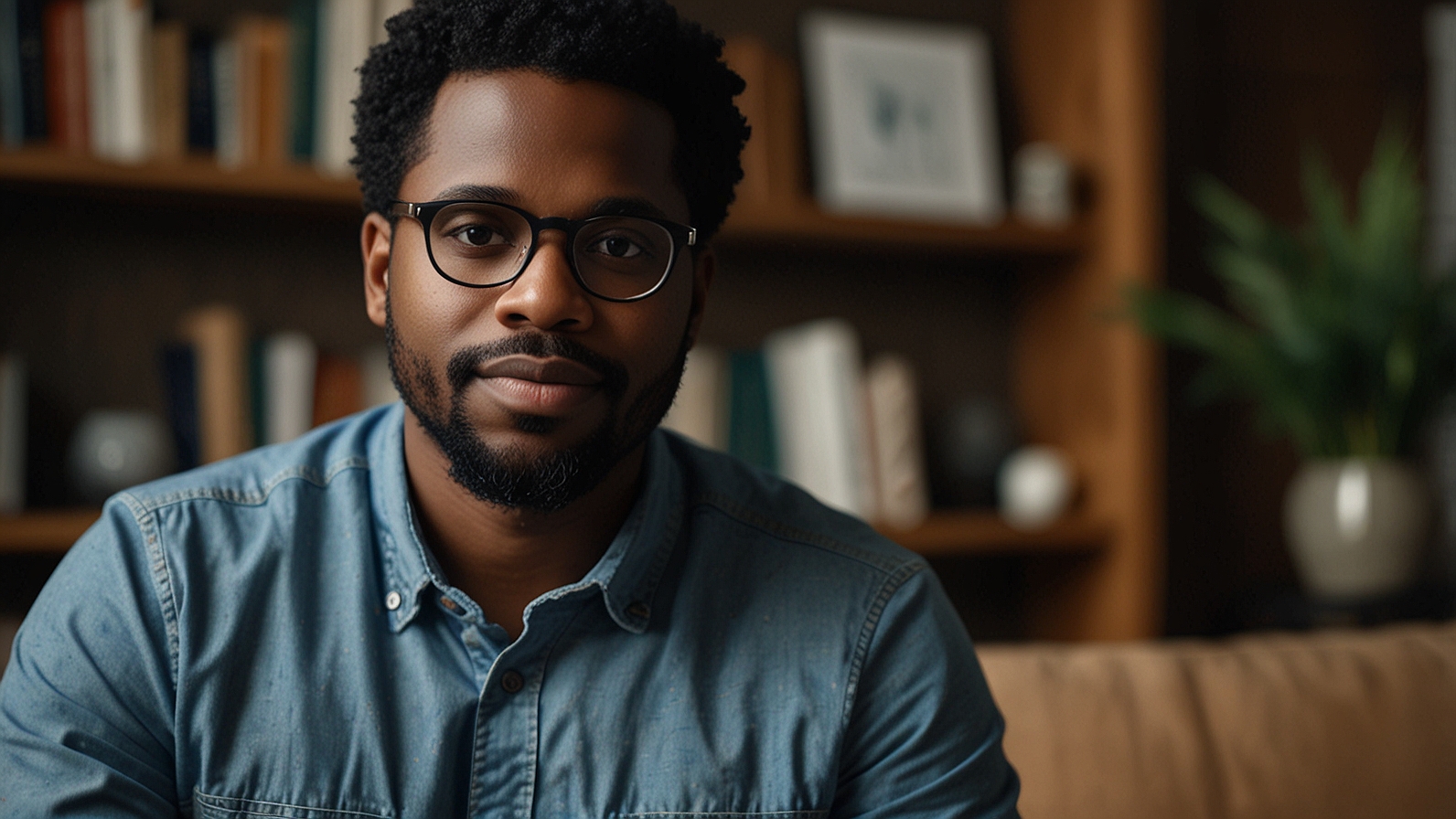
Finding a Black therapist near me can be essential for individuals seeking culturally responsive mental health care that respects their unique experiences. Many people look for therapists who understand the cultural context and challenges specific to Black communities. A quick search using dedicated directories or platforms can help locate trusted Black therapists in any area efficiently.
Several resources specialize in connecting clients with Black therapists, making it easier to access professionals experienced in culturally competent care. These platforms allow filtering by location, specialty, and other criteria to find the right match quickly. This approach supports mental wellness while addressing the importance of representation in therapy.
Access to a Black therapist can provide nuanced support that considers cultural identity in the healing process. This makes therapy more effective and relevant for many seeking mental health support within their community.
Finding a Black Therapist Near You
Identifying a Black therapist locally or online involves specific resources and approaches. These options focus on connecting individuals with professionals who understand cultural nuances and provide personalized mental health care.
Local Directories for Black Mental Health Professionals
Local directories list Black therapists in various cities and regions. These platforms allow filtering by location, specialty, and therapy type.
Examples of directories include:
- Psychology Today: Offers search options by race and cultural competence.
- National Association of Black Counselors (NABC): Provides a directory of licensed Black counselors across the U.S.
- Black Therapist List: Focuses on destigmatizing mental health by listing verified Black therapists.
Using these directories, individuals can find therapists nearby who are qualified and culturally aware. Profiles often include credentials, specialties, and contact information, making outreach straightforward.
Using Telehealth Platforms
Telehealth expands access beyond local limitations. Many platforms feature Black therapists for remote counseling sessions via video or phone.
Popular telehealth services include:
- Grow Therapy: Connects users with Black therapists in specific states, emphasizing cultural relevance.
- Therapy in Color: A mental health directory specializing in connecting Black, Indigenous, and People of Color (BIPOC) with culturally responsive professionals.
Telehealth enables flexibility in scheduling and privacy while maintaining the quality of care. For those in areas with fewer Black therapists, virtual sessions provide crucial access to culturally sensitive support.
Community Resources and Referrals
Community organizations often assist in finding Black therapists. Referrals can come through local Black mental health initiatives, cultural centers, or support groups.
Examples include:
- Black mental health nonprofits that maintain therapist listings.
- Churches or community centers offering wellness programs.
- Word-of-mouth recommendations from trusted community networks.
These resources add a personal layer to the search. They often help identify professionals who not only meet clinical needs but also share community values and understanding.
Choosing the Right Black Therapist
Selecting a Black therapist involves understanding their qualifications, cultural sensitivity, and how best to engage in therapy from the start. Careful consideration of these factors helps ensure a supportive, effective therapeutic relationship tailored to individual needs.
Understanding Specializations and Credentials
Therapists have different areas of expertise, such as anxiety, trauma, or relationship issues. It is important to verify their credentials, including licenses like LPC, LCSW, or psychologist certifications. These details confirm their training and legal ability to practice.
Clients should also check if the therapist has experience working with specific populations or challenges. For example, some therapists specialize in racial trauma or depression in the Black community. Choosing someone with relevant experience increases the likelihood of effective treatment.
Assessing Cultural Competency
Cultural competency means the therapist understands and respects the client’s cultural background and experiences. This is crucial in therapy with Black clients, as shared cultural knowledge builds trust and safety.
Look for therapists who explicitly mention cultural responsiveness in their profiles or directories. They should demonstrate awareness of systemic racism, identity issues, and historical factors affecting the Black community. This sensitivity influences the therapist’s approach and the client’s comfort level.
Preparing for Your First Appointment
Before the first session, clients should clarify practical details like fees, session formats (in-person or virtual), and cancellation policies. This preparation helps avoid surprises and enables clear commitment.
Clients might also list their goals and concerns to discuss with the therapist early on. Being open about expectations sets a productive tone. Evaluating how the therapist listens and responds during this initial meeting helps determine if they are a good fit.