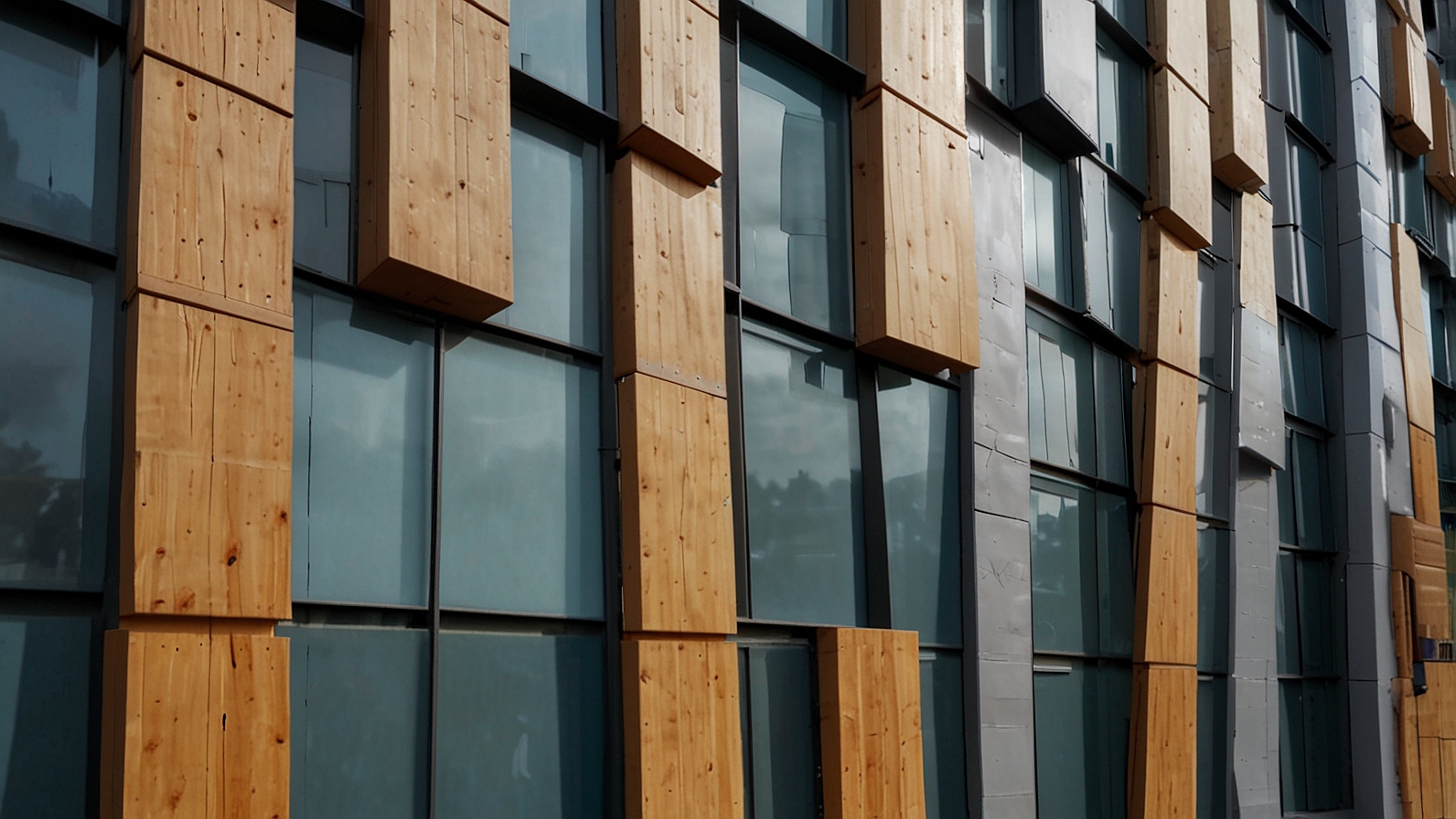
Architectural cladding suppliers play a crucial role in creating the exterior surfaces of modern buildings, offering materials that balance durability, weather resistance, and aesthetic appeal. They provide a variety of options, including metal panels, fiber cement boards, and composite materials, tailored to meet specific design and performance requirements.
The key value of architectural cladding suppliers lies in their ability to deliver custom solutions that enhance both the function and appearance of buildings while ensuring long-term protection against environmental elements. Their expertise often extends beyond supplying materials to include fabrication, installation, and collaboration with architects to achieve unique architectural visions.
From high-performance metal panels to sustainable fiber cement cladding, these suppliers support a broad spectrum of construction needs. Their products are engineered to withstand harsh climates, maintain structural integrity, and contribute to energy efficiency, making them essential partners in building projects across Canada and the US.
Architectural Cladding Suppliers Overview
The Architectural cladding suppliers provide a wide range of materials that meet diverse building needs, adhering to strict industry standards. Their capabilities often include customization and advanced fabrication to suit specific project requirements.
Types of Cladding Materials Offered
Suppliers typically offer a variety of materials, including aluminum composite panels (ACM), metal cladding, stone, and painted stainless steel. These materials vary in weight, durability, and aesthetic qualities to fit commercial, industrial, and residential projects.
Aluminum and metal panels are popular for their light weight and corrosion resistance. Stone and textured finishes provide a more natural look and enhanced durability. Many suppliers also provide non-combustible cladding options, meeting safety regulations in high-risk zones.
Colors and finishes are available in multiple choices, allowing architects to align the exterior design with project aesthetics and environmental considerations.
Industry Certifications and Standards
Architectural cladding suppliers must ensure their products comply with local and international safety and quality standards. Certifications such as ASTM, CSA (Canadian Standards Association), and CE (European Conformity) are common.
Fire resistance ratings, wind load certification, and environmental compliance also form key parts of supplier offerings. These certifications guarantee performance in structural stability, environmental impact, and safety under various conditions.
Maintaining compliance with these standards ensures cladding systems are not only visually appealing but also durable and safe for long-term use.
Customization and Fabrication Capabilities
Leading suppliers offer extensive customization, including bending, curving, and shaping of panels to fit complex architectural designs. Fabrication services often include CNC cutting, painting, and coating tailored to project specifications.
Many also provide design support and consultation from concept development to installation. This includes engineering for installation methods and compatibility with insulated walls or curtain wall systems.
By combining advanced machinery with skilled craftsmanship, suppliers deliver cladding solutions that meet precise size, shape, and performance requirements.
Selecting the Right Architectural Cladding Supplier
Choosing a supplier requires careful consideration of their experience, reliability in delivery, and the quality of support they offer after purchase. Each factor plays a significant role in meeting project timelines and ensuring material performance.
Evaluating Supplier Experience and Reputation
Experience indicates a supplier’s ability to handle complex cladding requirements and deliver quality products consistently. A supplier with several years in the market typically understands different architectural needs and building codes.
Reputation is equally important. Checking reviews, case studies, and past project collaborations helps verify reliability. Long-term partnerships with reputable contractors and architects can signal trustworthy service. A supplier with expertise in non-combustible metal cladding and multiple finish options often provides greater flexibility for design and safety compliance.
Comparing Lead Times and Delivery Options
Lead times affect project schedules directly. Suppliers should provide clear timelines adapted to product type and order volume. Quick turnaround is critical for keeping construction on track, but rushing should not compromise quality.
Delivery logistics matter as well. Flexible options like staged deliveries or direct site shipments reduce storage needs and manage handling risks. Reliable suppliers communicate proactively about any potential delays. Aligning delivery capabilities with project phases avoids costly downtime.
Assessing Post-Sale Support and Services
Post-sale support ensures issues with cladding materials or installation can be resolved promptly. Suppliers offering technical advice during installation reduce errors and improve outcomes.
Warranties and maintenance guidance are essential. A strong support system might include on-site assistance, training, and access to replacement parts. Choosing a supplier that commits to after-sales service safeguards long-term performance and client satisfaction.