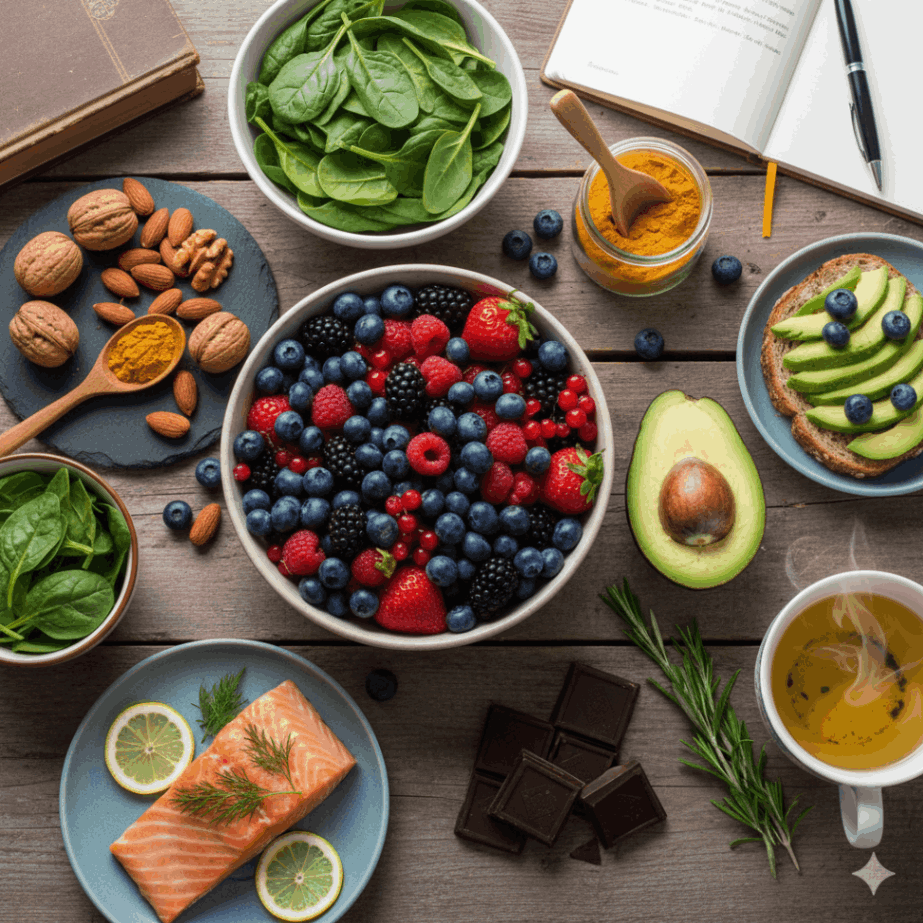
Introduction: Why Nutrition Matters for Your Brain
Your brain is an energy-hungry organ it consumes about 20% of your daily calories, despite making up only about 2% of your body weight.
Just like your muscles need protein, your brain thrives on specific nutrients that sharpen memory, boost focus, and protect against cognitive decline.
In today’s high-pressure digital economy, professionals and entrepreneurs often overlook brain nutrition. Yet, mental clarity and decision-making power can directly impact productivity and financial success.
At FintechZoomIOM, we explore how neuroscience and finance intersect, and in this article, we’ll decode how your diet shapes your mental performance naturally.
The Science Behind the “Memory Diet”
Research in nutritional neuroscience shows that diet affects the brain’s structure, chemistry, and function. Nutrients influence the production of neurotransmitters, blood flow, and neurogenesis (the creation of new brain cells).
According to studies from the Harvard T.H. Chan School of Public Health and the National Institutes of Health (NIH), foods rich in antioxidants, omega-3s, and vitamins improve memory and cognitive resilience while reducing the risk of Alzheimer’s and dementia.
Key Nutrients That Power the Brain
Below is a breakdown of the top nutrients that play a vital role in boosting memory, concentration, and mental health.
| Nutrient | Primary Benefits | Best Food Sources |
|---|---|---|
| Omega-3 Fatty Acids (DHA & EPA) | Improves cognitive performance, supports brain cell membranes | Salmon, sardines, chia seeds, flaxseeds |
| Antioxidants (Vitamin E, C, Polyphenols) | Protects against oxidative stress and aging | Blueberries, green tea, spinach, dark chocolate |
| B Vitamins (B6, B9, B12) | Supports neurotransmitter synthesis and brain energy metabolism | Eggs, leafy greens, lentils, whole grains |
| Magnesium | Regulates nerve transmission and reduces brain fog | Almonds, pumpkin seeds, avocado |
| Iron & Zinc | Boosts attention, learning, and memory | Lean meat, legumes, nuts |
| Choline | Enhances memory formation and brain development | Eggs (especially yolks), soybeans |
| Curcumin | Reduces inflammation and boosts mood | Turmeric, curry spices |
The MIND Diet: A Scientific Framework for Brain Health
The MIND diet (Mediterranean-DASH Diet Intervention for Neurodegenerative Delay) combines the best of the Mediterranean and DASH diets.
It’s clinically proven to reduce the risk of Alzheimer’s and support long-term brain health.
Foods to Eat Frequently:
-
Green leafy vegetables (kale, spinach)
-
Berries (especially blueberries)
-
Whole grains
-
Olive oil
-
Nuts and seeds
-
Fish (at least twice a week)
-
Beans and lentils
Foods to Limit:
-
Red meats
-
Butter and margarine
-
Pastries and sweets
-
Fried or fast foods
-
Cheese (in excess)
Tip: Even moderate adherence to the MIND diet can slow cognitive decline by 35%, according to research published in Alzheimer’s & Dementia: The Journal of the Alzheimer’s Association.
How Brain-Boosting Nutrients Enhance Cognitive Functions
Each nutrient supports specific brain mechanisms essential for memory and learning:
-
Neurotransmitter Production:
B vitamins and amino acids help produce serotonin and dopamine—chemicals crucial for mood and focus. -
Neuroprotection:
Antioxidants neutralize free radicals, protecting brain cells from premature aging. -
Neuroplasticity:
Omega-3 fatty acids enhance synaptic plasticity the brain’s ability to form and reorganize connections. -
Energy Metabolism:
Iron and glucose support cellular energy in neurons, keeping you mentally sharp. -
Anti-Inflammatory Action:
Polyphenols (from tea, berries, and dark chocolate) lower neuroinflammation, improving mental clarity. -
Smart Eating Habits to Improve Memory
Optimizing brain health isn’t only about what you eat but also how and when you eat.
1. Eat Breakfast Rich in Protein and Omega-3s
Start your day with eggs, avocado, and a smoothie with flaxseed or chia.
2. Stay Hydrated
Even mild dehydration reduces cognitive performance by up to 10%, according to Harvard Health.
3. Avoid Processed Sugars
High sugar intake impairs memory by promoting insulin resistance in the brain.
4. Practice Mindful Eating
Paying attention to food texture, taste, and aroma enhances digestion and nutrient absorption.
5. Time Your Meals
Intermittent fasting and avoiding late-night snacking may enhance brain detoxification during sleep.
The Role of Gut Health in Brain Function
The gut-brain axis connects digestion and mental performance.
A healthy gut microbiome supports neurotransmitter production and reduces stress hormones.
Foods That Support Gut-Brain Balance:
-
Yogurt and kefir (probiotics)
-
Bananas and oats (prebiotics)
-
Fermented foods like kimchi and sauerkraut
-
Fiber-rich vegetables (broccoli, carrots)
Studies show that improving gut flora can reduce anxiety, depression, and brain fog—making diet a natural cognitive enhancer.
Integrating the Memory Diet Into a Busy Lifestyle
For professionals, students, and entrepreneurs, consistent healthy eating can be challenging.
Here’s a quick plan for practical implementation:
| Meal | Simple Brain-Boosting Option |
|---|---|
| Breakfast | Oatmeal with blueberries and walnuts |
| Lunch | Grilled salmon salad with olive oil |
| Snack | Dark chocolate (70% cocoa) and green tea |
| Dinner | Lentil soup with leafy greens |
| Before Bed | Herbal tea with turmeric or chamomile |
Bonus Tip: Batch-cook meals on weekends or use meal delivery services that focus on Mediterranean-style menus.
Common Nutrient Deficiencies That Affect Memory
Even slight deficiencies in key nutrients can impair memory and decision-making.
| Deficiency | Symptoms | How to Fix It |
|---|---|---|
| B12 Deficiency | Fatigue, forgetfulness, brain fog | Add eggs, fish, or B12 supplements |
| Iron Deficiency | Poor concentration, low motivation | Include red meat or lentils |
| Magnesium Deficiency | Anxiety, restlessness | Eat almonds and leafy greens |
| Omega-3 Deficiency | Mood swings, cognitive decline | Consume fatty fish or flaxseed oil |
FAQ: The Memory Diet and Brain Health
1. What is the best daily food for improving memory?
Answer: Blueberries, salmon, and spinach are considered top-tier memory foods due to their high antioxidant and omega-3 content.
2. How long does it take to notice improvements from a brain-boosting diet?
Answer: Most people report better focus and mood in 2 4 weeks of consistent nutrient-rich eating.
3. Are supplements as effective as natural food sources?
Answer: Whole foods are generally better absorbed, but supplements can help fill nutritional gaps if recommended by a healthcare provider.
4. Can diet reverse memory loss?
Answer: While diet alone can’t reverse severe cognitive disorders, it can slow decline and improve mental performance when combined with exercise, sleep, and stress management.
5. What drinks improve brain function?
Answer: Green tea, coffee (in moderation), and antioxidant-rich smoothies enhance focus and mental alertness.