Introduction
The digital search landscape has changed dramatically in recent years. With the rise of zero-click searches, more than 50% of Google searches end without a single click. This shift presents both challenges and opportunities for businesses and marketers.
For websites like Fintech Zoom IOM, where competition is intense, understanding zero-click search optimization is no longer optional it’s essential. In this article, we’ll explore what zero-click searches are, why they matter, and how you can optimize your content to rank even when nobody clicks.
What Are Zero-Click Searches?
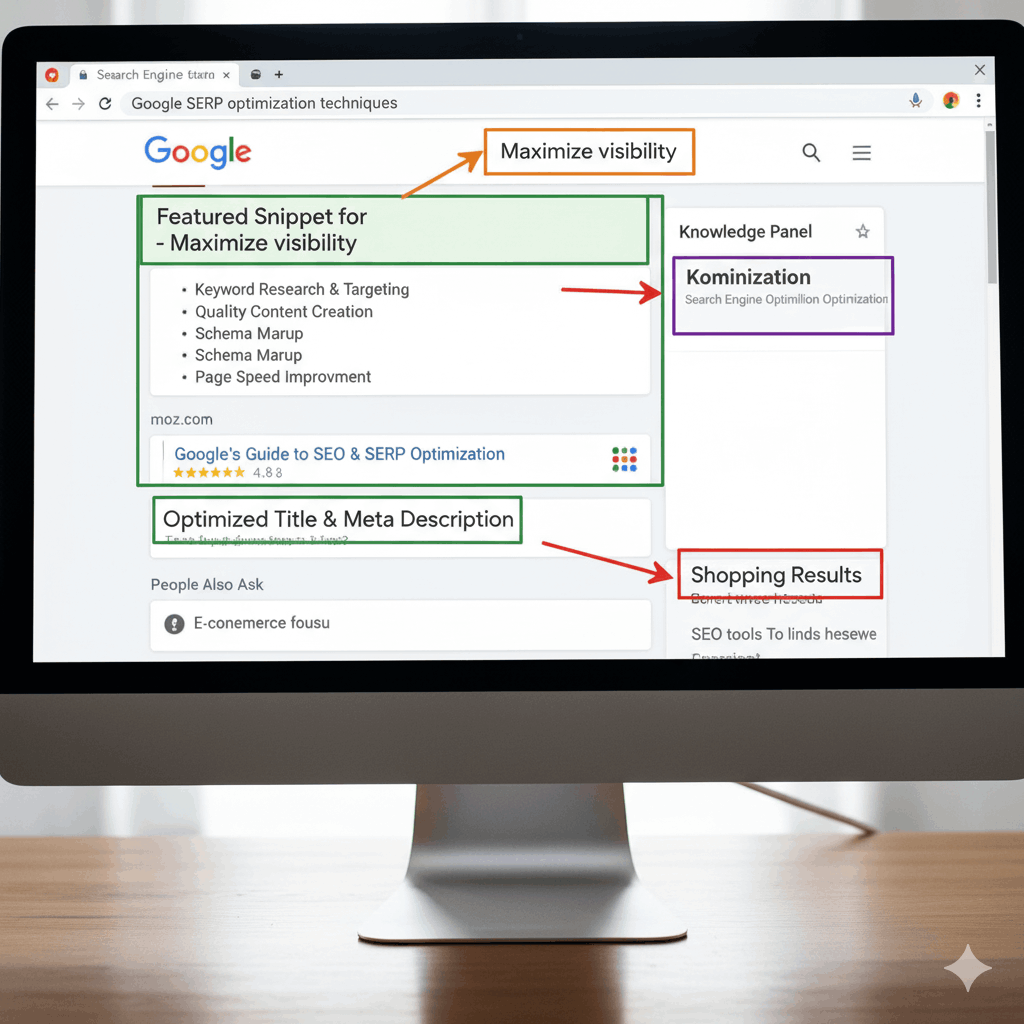
A zero-click search happens when users get the information they need directly from the Search Engine Results Page (SERP) without visiting a website.
Common types of zero-click results:
-
Featured snippets (answer boxes at the top of Google).
-
Knowledge panels (brand, business, or personality info cards).
-
People Also Ask (PAA) dropdowns.
-
Google Maps results.
-
Instant answers (weather, currency conversions, calculations).
Example: If someone searches “1 USD to PKR,” Google shows the conversion instantly without requiring a click.
Why Zero-Click Searches Matter
Marketers often see zero-click searches as a threat because fewer users visit websites. However, there’s another perspective: ranking in these results increases visibility and authority.
Benefits of zero-click search optimization:
-
Brand authority: Being featured in snippets positions your site as a trusted source.
-
Voice search readiness: Most smart assistants (like Google Assistant) pull answers from snippets.
-
Higher impressions: Even if clicks reduce, visibility boosts recognition.
-
Traffic funneling: Users may still click for in-depth content.
Key Strategies for Zero-Click Search Optimization
Optimizing for zero-click requires a different mindset. Instead of only focusing on clicks, you must deliver concise, accurate, and structured answers.
1. Target Featured Snippets
-
Use short paragraphs (40 60 words) to answer common queries.
-
Add bullet points or numbered lists for process-based queries.
-
Include tables for comparisons (prices, features, statistics).
2. Optimize for People Also Ask (PAA)
-
Identify related questions from Google’s PAA box.
-
Create FAQ-style sections in your blogs.
-
Answer queries in a conversational tone.
3. Structured Data & Schema Markup
Implement schema markup (FAQ, HowTo, Review, Product, etc.) to help Google understand your content.
-
Example: Use FAQ Schema for Q&A sections.
-
Use Organization Schema to strengthen brand presence.
4. Build Authority with E-E-A-T
Google rewards Experience, Expertise, Authoritativeness, and Trustworthiness (E-E-A-T).
-
Cite reputable sources (e.g., Search Engine Journal, Google Search Central).
-
Include author bios to highlight expertise.
-
Keep content fact-checked and updated.
5. Focus on Local & Voice Search
-
For local businesses, optimize Google Business Profile.
-
For voice search, use natural language queries (long-tail keywords).
Example Table: Content Format for Zero-Click
| Zero-Click Feature | Optimization Strategy | Example Query | Content Format |
|---|---|---|---|
| Featured Snippet | Short, direct answer | “What is fintech?” | 40–60 word paragraph |
| People Also Ask (PAA) | FAQ-style responses | “How does microfinance work?” | Q&A section |
| Knowledge Panel | Schema markup | “Tesla stock price” | Brand schema |
| Local Pack | Google Business Profile | “Fintech services near me” | Local SEO |
| Instant Answer | Structured data | “5 USD in PKR” | Calculator, schema |
How to Measure Zero-Click Success
Even if traffic drops, you can track the impact of zero-click optimization with the right KPIs:
-
Impressions (Google Search Console).
-
Featured snippet ownership (SEMrush, Ahrefs).
-
Voice search queries (Google Analytics events).
-
Brand searches (increase in direct visits).
Common Mistakes to Avoid
-
Writing too much fluff instead of direct answers.
-
Ignoring schema markup.
-
Overlooking mobile and voice optimization.
-
Not updating content for accuracy.
Frequently Asked Questions (FAQ)
1. Do zero-click searches reduce website traffic?
Yes, they may reduce clicks, but they increase visibility and brand authority, which can bring long-term benefits.
2. How do I optimize my content for featured snippets?
Provide concise, direct answers, use lists, tables, and include schema markup.
3. Is zero-click SEO only for big brands?
No. Small and niche websites can also rank in snippets if they structure content effectively.
4. How does voice search connect with zero-click SEO?
Most voice assistants pull answers from featured snippets, making zero-click optimization essential for voice search success.
5. Should I focus on clicks or impressions?
Both matter. Clicks drive traffic, but impressions boost authority and awareness.
Conclusion
Zero-click searches are not the death of SEO they’re its evolution. By optimizing for featured snippets, PAA, schema, and voice search, you can ensure your content still dominates even when users don’t click.
For Fintech Zoom IOM, leveraging zero-click search optimization is an opportunity to build brand authority, capture attention, and future-proof your digital presence.